

Best Cot Beds
FollowOverview
-
Founded Date May 30, 2019
-
Sectors Whole sale & Retail
-
Posted Jobs 0
-
Viewed 37
Company Description
10 Misleading Answers To Common Baby Cots Questions: Do You Know Which Ones?
The Ultimate Guide to Baby Cots: Choosing the Right One for Your Newborn
Welcoming a new baby into the family is an exciting and transformative experience, but it includes its own set of obstacles and choices. Among the most crucial decisions brand-new moms and dads face is picking the right baby cot. An excellent cot not only provides a safe sleeping environment for the baby but likewise significantly contributes to the overall well-being of both the kid and the moms and dads. This thorough guide will walk you through the essentials of baby cots, consisting of types, safety features, aspects to think about, and regularly asked questions.
Types of Baby Cots
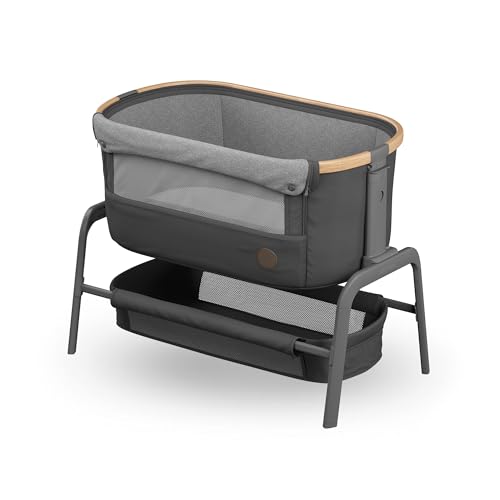
When it pertains to baby cots, there is no one-size-fits-all solution. Understanding the numerous types readily available can help parents in making an informed decision. Here’s a table summing up the typical types of baby cots:
| Type | Description | Pros | Cons |
|---|---|---|---|
| Requirement Cot | A traditional cot that is larger and can be used for a number of years. | Sturdy, long-lasting; adjustable mattress heights | Uses up more space, can be heavy |
| Moses Basket | A portable cot made of woven material with a lightweight frame. | Lightweight, simple to move, relaxing for newborns | Short usage time (normally approximately 6 months), less assistance |
| Mini Cot | A smaller sized version of the standard cot, ideal for limited space. | Space-saving, portable | Minimal life expectancy; might require replacement earlier |
| Co-Sleeper Cot | Connects to the moms and dad’s bed, permitting simple gain access to. | Promotes bonding, practical for night-time feeding | Can be bulky; space might not work with all beds |
| Convertible Cot | A cot that can change into a toddler bed or day bed. | Grows with the kid; flexible | Often more pricey; assembly can be intricate |
| Travel Cot | A collapsible cot for simple transportation, typically used while traveling. | Portable, simple to set up; often includes an altering table | Less durable, smaller mattress size |
Elements to Consider When Choosing a Baby Cot
Picking the ideal baby cot requires careful factor to consider of different aspects. Below are some important elements that moms and dads ought to keep in mind:
-
Safety Standards: Ensure that the cot fulfills security policies set by pertinent authorities. Try to find cots with fixed sides, no drop-sides, and smooth surfaces.
-
Product: Cots are generally made from wood, metal, or composite products. Ensure any material used is complimentary from harmful chemicals and toxic substances. Strong wood is often preferred for its durability and stability.
-
Size: Make sure the cot fits comfortably in your home while enabling simple access. Think about the height of the cot and Great Crib how easy it is for moms and dads to lift their baby in and out.
-
Adjustable Height: Cots with adjustable bed mattress heights can accommodate babies and permit simple gain access to as your baby grows. They can also be gotten used to make it easier for moms and dads with physical restrictions.
-
Budget: Cots are available at various cost points, so setting a budget can help narrow down options. Remember, a costly cot is not constantly associated with quality.
-
Durability: Consider whether you desire a cot that lasts just a couple of years or can convert into other forms of furniture, like a toddler bed, to extend its life expectancy.
-
Relieve of Assembly: Some cots need complex assembly, which can be intimidating for some moms and dads. Check out reviews or product guides to evaluate the assembly requirements.
-
Movement: If you plan to move the cot between rooms, try to find one with wheels or a lightweight design for ease of transportation.
Frequently Asked Questions About Baby Cots
1. What is the best bed mattress type for a baby cot?
The best mattress for a baby cot is firm, flat, and fits comfortably against the sides of the cot. Products like high-density foam or organic cotton are typically recommended for safety and convenience.
2. What should I prevent positioning in a baby cot?
Prevent putting soft bedding, pillows, toys, or bumpers inside the cot, as these can posture suffocation risks. A fitted sheet on the mattress is normally all that is needed.
3. When can I transition my baby to a toddler bed?
The shift normally takes place between 18 months and 3.5 years, depending on your child’s development and capability to climb out of the cot safely.
4. How typically should I inspect the baby cot?
Moms and dads need to routinely examine the cot for any indications of wear, loose screws, or broken parts. As the baby grows, it’s crucial to inspect that the bed mattress height is adjusted properly.
5. Can I utilize a pre-owned cot?
While pre-owned cots can be an economical alternative, it’s crucial to guarantee they meet present security standards and are in excellent condition. Avoid older designs with drop-side functions or recalls.
Picking the ideal baby cot is an important choice that can substantially impact the security and comfort of your newborn. With numerous alternatives available, understanding the differences in between the kinds of cots, thinking about essential factors, and bearing in mind safety requirements can help parents find an ideal option for their family’s needs. Eventually, the best cot will not only offer a safe sleeping environment for a baby but also promote peace of mind for new parents browsing the journey of being a parent.
By thoroughly examining your options and prioritizing your baby’s safety and comfort, you can guarantee a peaceful sleeping space that adds to your child’s healthy development and your household’s well-being.