
Custom Shipping Containers
FollowOverview
-
Founded Date June 19, 2018
-
Sectors Automotive Jobs
-
Posted Jobs 0
-
Viewed 9
Company Description
See What Dry Storage Containers Tricks The Celebs Are Utilizing
Understanding Dry Storage Containers: A Comprehensive Guide
In markets varying from shipping and logistics to agriculture and manufacturing, the reliable storage and transport of products are essential. One essential option for making sure the security and stability of products during motion and storage is the dry storage container. This article will explore the different elements of dry storage containers, including their types, advantages, applications, and frequently asked questions.
What Are Dry Storage Containers?
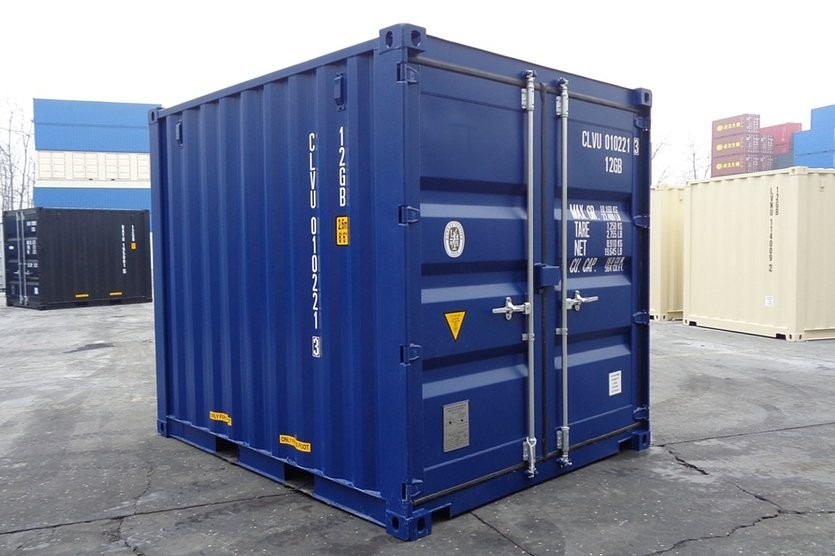
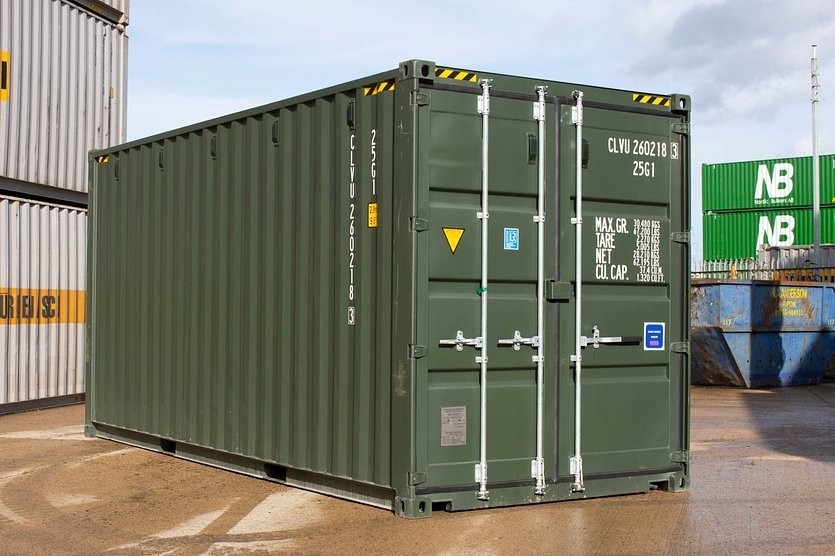
Dry storage containers, typically called shipping containers, are robust metal boxes designed for carrying goods by road, rail, or sea. They offer a safe and weatherproof environment, securing cargo from external components. Unlike refrigerated containers particularly developed for disposable products, dry storage containers are dry on the within and safe for keeping a vast array of merchandise.
Kinds Of Dry Storage Containers
Dry storage containers can be found in several types to meet various storage and transport needs. The following table sums up the most typical types:
| Container Type | Dimensions (Feet) | Capacity (Cubic Feet) | Typical Uses |
|---|---|---|---|
| Standard Container | 20′ | 1,169 | General cargo, durable goods |
| Standard Container | 40′ | 2,695 | Industrial equipment, bulk products |
| High Cube Container | 20′ | 1,284 | Taller products, furnishings |
| High Cube Container | 40′ | 2,694 | Big industrial goods |
| Open Top Container | 20′ | 1,169 | Heavy equipment, large goods |
| Open Top Container | 40′ | 2,695 | Cargo that needs leading filling |
| Double Door Container | 20′ | 1,169 | Easy access from both ends |
| Double Door Container | 40′ | 2,695 | Versatile storage and transport |
Benefits of Using Dry Storage Containers
Dry storage containers offer a number of advantages that make them a favored choice for different industries. Some essential benefits consist of:
-
Durability and Security: Made from high-grade steel, dry storage containers are built to stand up to harsh environmental conditions. They likewise come equipped with locking systems for included security.
-
Flexibility: These containers can save a wide variety of products, including equipment, tools, furnishings, and customer items, making them ideal for various applications.
-
Portability: Dry storage containers are quickly transportable by truck, train, or ship, enabling businesses to move their products efficiently across different modes of transportation.
-
Cost-Effectiveness: Unlike standard storage facilities, dry storage containers can be rented or purchased for a lower overall cost, making them a clever choice for businesses wanting to save cash.
-
Customizability: Containers can be modified to match specific storage requirements, such as including shelving, windows, or ventilation systems.
Applications of Dry Storage Containers
The applications for dry storage containers are huge and differed. Below is a list of sectors where these containers are utilized:
- Logistics and Shipping: Used for transporting items throughout international borders.
- Construction: Serving as on-site storage for tools and products.
- Retail: Providing extra storage area for inventory.
- Farming: Storing tools, equipment, and non-perishable farming items.
- Military: Transporting and keeping important products and devices.
- Disaster Relief: Serving as flexible storage units in emergency situations.
Key Considerations When Choosing Dry Storage Containers
When selecting dry storage containers, several elements must be considered to ensure they meet specific needs:
- Size: Assess the dimensions and capability based upon the volume and kind of items to be saved.
- Condition: Check whether to buy new or used containers, based upon budget plan restrictions and storage requirements.
- Accessibility: Consider how typically items will require to be accessed and design the storage design appropriately.
- Security Features: Ensure that the containers have appropriate locking mechanisms for added security.
- Place: Evaluate where the containers will be positioned, whether on-site, at a storage lawn, or throughout transportation.
Often Asked Questions (FAQ)
Q1: How long can I save goods in a dry storage container?A1: Goods can be stored in
dry storage containers for an extended duration, though it’s suggested to frequently inspect on the products to ensure condition and security. Q2: Are dry storage containers waterproof?A2: While
dry storage containers are developed
to be weather-resistant, they are not totally water resistant. They can deal with rain and moisture but must not be submerged in water. Q3: Can I customize a dry storage container?A3: Yes, dry storage containers can be modified to fit particular needs, such as adding windows, ventilation, or shelving systems. Q4: How do I transport a dry storage container?A4: Transporting a dry storage container generally needs specific trucks
or trailers which are geared up to raise and move heavy containers. Q5: Are dry storage containers environmentally friendly?A5: Dry storage containers can be thought about ecologically friendly as they are typically made from recyclable
products. In addition, repurposing used containers for new applications frequently prevents waste. Dry storage containers function as a reputable and economical service for organizations seeking to securely keep and transport their products. From understanding the numerous types and advantages to knowing the applications and factors to consider when picking one, it is evident that these containers play a vital function in today’s logistics landscape. Whether you discover yourself in retail, construction, farming, or catastrophe relief, investing in dry storage containers might show to be a smart relocation that boosts effectiveness and security. By comprehending the value that dry storage containers give the table, services can much better secure their assets and streamline their operations in a competitive market.