

Used Cargo Containers
FollowOverview
-
Founded Date June 3, 2011
-
Sectors Sales & Marketing
-
Posted Jobs 0
-
Viewed 14
Company Description
Guide To Sea Containers: The Intermediate Guide Towards Sea Containers
Understanding Sea Containers: A Comprehensive Guide
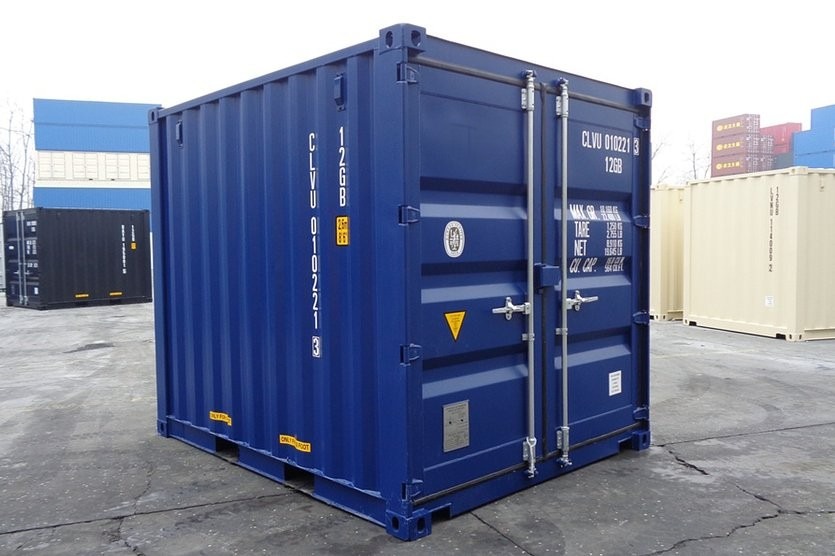
Sea containers, also known as shipping containers, play a critical function in international trade and logistics. These robust metal boxes are designed to hold up against severe maritime conditions while securely transporting items across oceans to various locations. In this post, we will look into the history, types, advantages, and sustainability practices associated with sea containers, providing a helpful introduction for anybody seeking to understand their significance in modern transport.
A Brief History of Sea Containers
The idea of utilizing containers for shipping go back to the mid-20th century. In 1956, Malcolm McLean, an American business owner, reinvented shipping by presenting the very first standardized container. This development enabled items to be loaded onto and off of ships more efficiently, significantly reducing shipping times and costs.
The Evolution of Sea Containers
| Year | Turning point |
|---|---|
| 1956 | Introduction of standardized shipping containers |
| 1966 | Adoption of the International Organization for Standardization (ISO) standards |
| 1980s | Development of intermodal transportation systems |
| 2000s | Increase of shipping container terminals worldwide |
| Today | Continuous developments in container design and managing |
Kinds Of Sea Containers
Sea containers can be found in various shapes and sizes, each developed for specific shipping needs. The most typical types consist of:
- Standard Dry Containers: Used for basic cargo, these containers are readily available in 20-foot and 40-foot sizes.
- Refrigerated Containers (Reefers): Designed for disposable items, these containers can preserve temperature-controlled environments.
- Open Top Containers: Ideal for extra-large loads, they include a detachable top for simple loading.
- Flat Rack Containers: Best fit for large equipment or cargo, these containers have no sides or top.
- Tank Containers: Designed for liquid cargo, these containers are built to hold harmful materials securely.
Container Dimensions and Specifications
| Container Type | Length (feet) | Width (feet) | Height (ft) | Maximum Weight (lbs) |
|---|---|---|---|---|
| Standard Dry | 20/ 40 | 8 | 8.5 | 48,000/ 67,200 |
| Refrigerated (Reefer) | 20/ 40 | 8 | 8.5 | 48,000/ 67,200 |
| Open Top | 20/ 40 | 8 | 8.5 | 48,000/ 67,200 |
| Flat Rack | 20/ 40 | 8 | 8.5 | 48,000/ 67,200 |
| Tank | 20/ 40 | 8 | 8.5 | 25,000/ 40,000 |
The Benefits of Sea Containers
Sea containers provide various benefits, making them a vital part of international shipping. Here are some crucial benefits:
- Efficiency: Containers improve the loading and unloading of cargo, substantially decreasing turnaround times in ports.
- Security: Their robust construction protects items from theft and damage during transit.
- Flexibility: Sea containers can be used for a wide variety of items, from electronic devices to food.
- Standardization: The use of standardized sizes allows for easy multimodal transport (land, sea, and air).
- Cost-Effectiveness: Bulk shipping lowers expenses, making it more inexpensive for services to import and export products.
Ecological Benefits
With increasing awareness of climate modification and environmental problems, the shipping industry is checking out more sustainable practices. A few of these include:
- Recycling and Repurposing: Old containers can be repurposed for housing, shops, and even art installations.
- Effective Shipping Practices: Advances in navigation technology and fuel effectiveness assistance lower carbon emissions from shipping.
- Modular Design: Containers’ stackable nature optimizes cargo space, reducing the variety of trips required.
Often Asked Questions (FAQ)
1. What is the standard size of a shipping container?
The most typical sizes are 20-foot and 40-foot containers, however there are variations like 10-foot and 45-foot containers available as well.
2. How do I choose the right container for shipping?
Choosing the ideal container depends upon the type of items being shipped. For disposable items, a refrigerated container is ideal; for extra-large cargo, an open top or flat rack might be more effective.
3. Can sea containers be used for land transport?
Yes, sea containers are created for intermodal transport, indicating they can be transferred perfectly between ships, trucks, and trains.
4. Are shipping containers safe for dangerous materials?
Tank containers are specifically developed to securely transport dangerous liquids. Nevertheless, it’s necessary to follow all security policies and guidelines when shipping such materials.
5. How are shipping containers transferred?
Containers are lifted on and off ships utilizing cranes, placed onto trucks, or filled onto flatbed trains, permitting efficient intermodal transport.
Sea containers are more than just metal boxes; they are a cornerstone of international trade and logistics. With their wide range of types, benefits, and a dedication to sustainability, they continue to evolve as key players in the shipping market. Comprehending sea containers and their effect on trade is essential for companies and customers alike, as our interconnected world relies heavily on these flexible and robust systems. Whether you are a skilled logistics professional or a curious consumer, this knowledge is vital in appreciating the essential role that sea containers play in daily life and the global economy.