

Ovens Sales
FollowOverview
-
Founded Date September 26, 1950
-
Sectors Education Training
-
Posted Jobs 0
-
Viewed 12
Company Description
10 Quick Tips For Cookers And Hobs
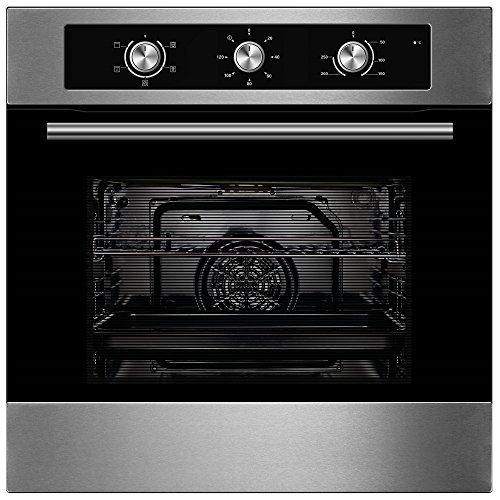
Understanding Cookers and Hobs: A Comprehensive Guide
Cooking is an integral aspect of life, and the development of kitchen devices plays a significant function in how effectively and efficiently people prepare their meals. Amongst these devices, cookers and hobs are 2 of the most vital instruments discovered in contemporary kitchens. This post looks into the differences in between cookers and hobs, analyzes their various types, and provides insights on their features, upkeep, and selection process.
What are Cookers and Hobs?
Cookers
Cookers are comprehensive kitchen home appliances developed for cooking jobs, usually combining an oven and a hob. They can be found in different setups and types, accommodating varied cooking requirements and choices.
Hobs
Hobs, on the other hand, are more concentrated appliances mainly utilized for boiling, frying, and other stovetop cooking techniques. Hobs can be standalone systems or an integrated part of larger cookers.
| Feature | Cookers | Hobs |
|---|---|---|
| Function | Combines oven and hob | Stovetop cooking just |
| Design | All-in-one system | Separate unit or integrated |
| Types | Electric, gas, double fuel | Gas, electric, induction |
| Installation | Permits more versatility | Built into the countertop |
| Rate Range | Normally greater | Differs extensively |
Types of Cookers
1. Electric Cookers
Electric cookers utilize electricity as their primary power source. They often include an integrated oven and several cooking zones on the hob.
Benefits:
- Even heat distribution
- Offered in various designs (e.g., freestanding, built-in)
2. Gas Cookers
Gas cookers work on gas or liquefied petroleum gas (LPG). They use immediate heat control, making them a favorite among professional chefs.
Advantages:
- Instant heat changes
- More inexpensive operational costs
3. Dual Fuel Cookers
Double fuel cookers combine the heat of gas with the efficiency of electric ovens. This setup enables the best of both worlds, providing control and consistent outcomes.
Benefits:
- Flexible cooking options
- Precise control over stovetop cooking and baking
4. Range Cookers
Variety cookers are bigger and more effective than standard cookers, including several ovens and hobs for comprehensive cooking jobs.
Advantages:
- Ideal for big families or cooking for events
- Provides numerous cooking choices in one appliance
Kinds of Hobs
1. Gas Hobs
Gas hobs are preferred for their quick heating and strong flame, making them outstanding for searing and stir-frying.
Advantages:
- Instant heat and control
- Suitable with any kind of cookware
2. Electric Hobs
Electric hobs heat up using electric coils or glass-ceramic surfaces, providing a contemporary look and effective cooking.
Benefits:
- Easier to clean
- Uniform surface area ideal for various pots and pans
3. Induction Hobs
Induction hobs utilize magnetic fields to heat pots and pans directly, providing quickly and energy-efficient cooking.
Advantages:
- Safe (cool surface area after getting rid of cookware)
- Energy-efficient and exact
4. Strong Plate Hobs
These traditional hobs use strong electric plates that warm up slowly.
Advantages:
- Rugged and durable
- Typically more cost effective than other types
Secret Features to Consider
When choosing a cooker or hob, several features need to be taken into account:
- Size and Space: Consider the size of your kitchen and the quantity of office needed.
- Cooking Style: Choose based on choice– gas for control, induction for performance, and so on.
- Effectiveness Ratings: Look for energy-efficient models to minimize energy costs.
- Reduce of Cleaning: Smooth surface areas assist in easy maintenance.
- Safety Features: Automatic shutoff, flame failure gadgets, and child locks enhance safety.
Maintenance Tips
Keeping cookers and hobs lengthens their lifespan and ensures safe operations.
- Routine Cleaning: Wipe down surface areas after usage to avoid buildup.
- Examine Seals: Check oven door seals routinely for wear and tear to preserve effectiveness.
- Service Regularly: Schedule professional servicing a minimum of when a year.
- Suitable Cookware: Use cookware suitable for your hob type to avoid damage.
Often Asked Questions (FAQs)
What is the difference in between a cooker and a hob?
A cooker combines an oven and hob in one unit, while a hob is usually a standalone device for stovetop cooking.
Do I need a professional to set up a gas cooker or hob?
Yes, professional installation is suggested for gas appliances to guarantee safety and compliance with local guidelines.
Can I utilize any type of pots and pans on induction hobs?
Induction hobs need magnetic cookware. Stainless steel or cast iron pots work best. Non-magnetic products will not warm up.
Are electric cookers more energy-efficient than gas cookers?
While both have benefits, electric cookers tend to be more energy-efficient total, specifically with modern, high-efficiency models.
How often should I clean my cooker or hob?
It is best to clean them after each usage and carry out an extensive cleaning weekly to avoid buildup and residue.
Understanding the differences, functions, types, and upkeep tips for cookers and hobs is essential for any home cook. By choosing the right appliance matched to their cooking needs, users can enhance their cooking experience, making meal preparation an effective and pleasurable chore. Whether going with the immediate control of gas or the streamlined performance of induction, selecting the proper cooker or hob can cause a significantly improved kitchen experience.