

Automatic Vacuum Cleaner
FollowOverview
-
Founded Date April 13, 1966
-
Sectors Graphic Designing
-
Posted Jobs 0
-
Viewed 7
Company Description
Ten Robotic Hoovers That Really Make Your Life Better
The Rise of the Robots: A Comprehensive Guide to Robotic Hoovers
In today’s fast-paced world, performance and convenience are highly treasured. We seek solutions that streamline our everyday regimens and maximize our precious time. One such development that has gradually gained appeal in homes across the globe is the robotic hoover, frequently adoringly referred to as a “robovac.” These ingenious devices are no longer futuristic novelties but rather useful tools transforming the method we approach household cleaning. This post delves into the world of robotic hoovers, exploring their functionality, benefits, essential features to consider, and what makes them a beneficial addition to the modern home.
Gone are the days of carrying heavy vacuum cleaners and manually navigating every corner of your home. Robotic hoovers provide an automatic cleaning option, taking the chore of vacuuming off your hands. However how exactly do these compact machines work, and are they really as efficient as standard approaches? Let’s decipher the intricacies of robotic hoovers and discover why they are ending up being a vital part of modern living.
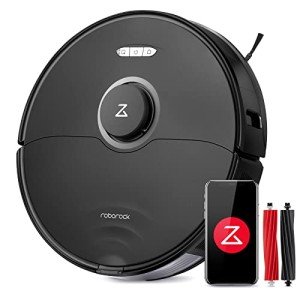
Understanding the Technology Behind Robotic Hoovers
At their core, robotic hoovers are sophisticated pieces of technology developed to autonomously browse and clean your floorings. They attain this through a mix of sensors, algorithms, and cleaning systems. While particular technologies differ in between designs and brands, some common aspects underpin their operation:
-
Navigation Systems: Robotic hoovers employ numerous navigation systems to map and traverse your home. Older models often utilize a bump-and-go technique, counting on physical contact with challenges to alter direction. Advanced models make use of sophisticated technologies like:
- LiDAR (Light Detection and Ranging): This laser-based system develops an in-depth map of the environment, enabling for efficient course planning and systematic cleaning patterns.
- Visual SLAM (Simultaneous Localization and Mapping): Using cams, these robotics build a visual map of your home, allowing them to comprehend their place and browse intricate layouts.
- Infrared Sensors: These sensing units identify challenges and edges, preventing the robot from falling down stairs or running into furniture too forcefully.
-
Cleaning Mechanisms: Robotic hoovers are geared up with various cleaning tools to successfully select up dust, debris, and pet hair. These typically consist of:
- Rotating Brushes: These brushes, often located underneath the robot, loosen up dirt and sweep it into the suction course. Some designs have side brushes to reach edges and corners better.
- Suction Power: A motor generates suction to raise debris into the dustbin. Suction power varies substantially in between models and is a vital consider cleaning performance, particularly on carpets.
- Filters: Robotic hoovers typically integrate filters, such as HEPA filters, to trap fine dust particles and irritants, contributing to enhanced air quality in your home.
-
Smart Features: Modern robotic hoovers are progressively incorporated with smart innovation, enhancing their performance and user experience. These features can consist of:
- Smartphone App Control: Allows you to begin, stop, schedule, and screen cleaning cycles from another location.
- Voice Control Integration: Compatibility with voice assistants like Alexa or Google Assistant for hands-free operation.
- Zoned Cleaning and No-Go Zones: Ability to specify particular areas for cleaning or to leave out certain zones from the robot’s path.
- Multi-Floor Mapping: Advanced robots can store maps of several floorings in your house, adjusting their cleaning method to each level.
- Automatic Docking and Charging: Robotic hoovers instantly return to their charging dock when the battery is low, guaranteeing they are always ready for the next cleaning cycle.
The Benefits of Embracing Robotic Hoover Technology
The appeal of robotic hoovers extends beyond their technological novelty. They offer tangible advantages that streamline household chores and improve life:
- Time Savings and Convenience: The most substantial benefit is the time released up from manual vacuuming. Robotic hoovers can clean your floorings while you are at work, running errands, or merely relaxing, permitting you to concentrate on more enjoyable activities.
- Consistent Cleanliness: By scheduling regular cleaning cycles, robotic hoovers keep a constant level of tidiness, avoiding dust and debris accumulation and keeping your home looking fresher.
- Minimized Effort and Physical Strain: For people with mobility issues, back issues, or just those who dislike the physical effort of vacuuming, robotic hoovers use a welcome option. They remove the requirement to press and pull heavy equipment, making cleaning less physically requiring.
- Pet Hair Management: Robotic hoovers are particularly skilled at taking on pet hair, a relentless challenge in numerous households. Routine robotic cleaning can significantly lower pet hair accumulation on floorings and carpets, contributing to a cleaner and healthier environment for allergic reaction sufferers.
- Peaceful Operation (in some designs): Many modern robotic hoovers are developed to operate at reasonably low sound levels compared to conventional vacuum cleaners, permitting them to clean without interrupting household activities or conversations.
- Improved Air Quality (with HEPA filters): Models equipped with HEPA filters can trap fine dust particles, allergens, and pet dander, possibly enhancing indoor air quality, specifically helpful for individuals with allergies or breathing level of sensitivities.
Key Features to Consider When Choosing a Robotic Hoover
Picking the best robotic hoover includes considering your specific requirements and home environment. Here are some crucial functions to evaluate before purchasing:
- Navigation Technology: For larger or more intricate homes, advanced navigation systems like LiDAR or visual SLAM are extremely advised for effective and systematic cleaning. Bump-and-go navigation is usually much better suited for smaller sized, simpler spaces.
- Suction Power: Consider the kind of floor covering in your home. Residences with mainly hard floors may need less suction power, while homes with carpets, particularly thick carpets, will take advantage of designs with higher suction capabilities.
- Battery Life and Coverage Area: Ensure the battery life is enough to clean the desired area on a single charge. Manufacturers often specify the approximate cleaning location coverage per charge cycle. For larger homes, search for robotics with longer battery life or those capable of automatic charging and resuming cleaning.
- Dustbin Capacity: A larger dustbin capacity reduces the frequency of emptying. Consider your home size and the level of dust and debris generally gathered. Some advanced designs now use self-emptying dustbins, further reducing manual intervention.
- Smart Features and App Control: Evaluate the level of smart functions that align with your needs. Smartphone app control, voice control, zoned cleaning, and no-go zones can considerably improve the user experience and personalization.
- Brush Types and Design: Consider the brush types and design, especially if you have pets or are worried about fragile floor covering. Rubber brushes are frequently chosen for pet hair, while softer brushes may be better fit for fragile difficult floorings.
- Height Profile: If you have low-profile furniture, check the height of the robotic hoover to ensure it can browse under couches, beds, and other furniture.
- Price and Budget: Robotic hoovers range in rate from economical alternatives to high-end designs with advanced functions. Determine your budget and focus on features that are most important for your needs.
Types of Robotic Hoovers: Beyond Basic Vacuuming
The robotic hoover market has expanded beyond fundamental vacuuming functionalities, offering specialized designs to deal with diverse cleaning requirements:
- Vacuuming Robots: These are the most typical type, focusing entirely on dry vacuuming. They are effective at getting dust, debris, and pet hair from different floor types.
- Vacuuming and Mopping Robots (2-in-1): These versatile models integrate vacuuming and mopping functionalities. They usually vacuum first and then mop using a wet pad or water tank. While hassle-free, their mopping capabilities are usually lighter and better matched for maintenance cleaning instead of deep cleaning.
- Robotic Mops: Specifically developed for mopping tough floors, these robots focus entirely on damp cleaning and are reliable at eliminating discolorations and spills from tile, laminate, and hardwood floorings.
- Specialized Robots (e.g., Window Cleaning Robots, Pool Cleaning Robots): While less typical, specific robotic cleaning services are also emerging for specific tasks such as window cleaning and swimming pool cleaning.
Keeping Your Robotic Hoover for Longevity
To guarantee your robotic hoover continues to carry out optimally and lasts for years to come, regular maintenance is essential:
- Emptying the Dustbin: Empty the dustbin routinely, ideally after each cleaning cycle, to maintain suction performance and avoid blocking.
- Cleaning Brushes: Remove and clean the brushes routinely to remove twisted hair, fibers, and debris buildup. This will guarantee efficient dirt pickup.
- Cleaning Filters: Clean or replace filters according to the manufacturer’s suggestions. Blocked filters minimize suction power and can affect air quality.
- Cleaning Sensors: Keep sensing units tidy and complimentary from dust and debris to guarantee accurate navigation and barrier detection.
- Examining Wheels and Rollers: Inspect wheels and rollers periodically to get rid of any tangled hair or blockages that might prevent movement.
- Changing Parts as Needed: Over time, certain parts like brushes and filters will require replacement. Follow the manufacturer’s standards for replacement schedules.
Benefits and drawbacks of Owning a Robotic Hoover
Like any technology, robotic hoovers have their benefits and drawbacks. Comprehending these can assist you make an informed decision:
Pros:
- Convenience and Time Savings
- Constant Cleaning
- Lowered Physical Effort
- Reliable Pet Hair Management
- Smart Features and Automation
- Improved Air Quality (with HEPA filters)
Cons:
- Higher Initial Cost Compared to Traditional Vacuums
- May Not Replace Deep Cleaning Entirely (for some models)
- Requires Regular Maintenance (dustbin emptying, brush cleaning)
- Navigation Challenges in Cluttered Environments (for fundamental designs)
- Battery Life Limitations (for larger homes with some designs)
- Potential for Getting Stuck or Requiring Intervention
The Future of Robotic Hoovers
The innovation behind robotic hoovers is continuously developing, and we can expect more improvements in the future. Patterns to keep an eye out for include:
- Enhanced Navigation and Mapping: Even more advanced navigation systems, possibly including AI and artificial intelligence, will cause smarter and more efficient cleaning patterns.
- Enhanced Obstacle Avoidance and Object Recognition: Robots will progress at recognizing and avoiding obstacles, including smaller sized things and pet waste.
- Increased Suction Power and Cleaning Performance: Manufacturers will continue to improve suction power and cleaning efficiency, bridging the gap with traditional vacuum.
- Self-Emptying and Self-Cleaning Features: More designs will likely feature self-emptying dustbins and even self-cleaning brushes, further reducing user intervention.
- Combination with Smart Home Ecosystems: Seamless integration with smart home platforms and more comprehensive home automation systems will end up being even more widespread.
- Lower Prices and Increased Accessibility: As technology grows and production scales up, robotic hoovers are likely to become more cost effective and accessible to a larger range of customers.
Conclusion: Embracing the Automated Cleaning Revolution
Robotic hoovers have transitioned from a futuristic concept to a practical and increasingly necessary household home appliance. They offer an engaging service for hectic individuals and households seeking to streamline their cleaning routines and keep regularly clean homes. While they may not completely replace standard vacuum cleaners for all deep cleaning tasks, they stand out at daily maintenance, pet hair management, and providing a convenient, automated cleaning service.
By carefully considering your requirements, home environment, and the crucial features discussed, you can choose a robotic hoover that perfectly incorporates into your lifestyle and changes the way you approach family cleaning. Accept the increase of the robotics and experience the liberty and convenience of automated floor cleaning.
Regularly Asked Questions (FAQs) about Robotic Hoovers:
Q: Are robotic hoovers as effective as conventional vacuum?A: While robotic hoovers have improved substantially in suction power, they generally may not match the deep cleaning power of high-end traditional vacuums, specifically for very thick carpets. Nevertheless, for everyday upkeep and basic cleaning on hard floors and most carpets, they are very effective.
Q: How long do robotic hoovers generally last?A: The life expectancy of a robotic hoover can differ depending on the brand, design, and use frequency. Usually, with proper upkeep, an excellent quality robotic hoover can last for 3-5 years or even longer.
Q: Can robotic hoovers clean pet hair effectively?A: Yes, numerous robotic hoovers are particularly developed to manage pet hair. Look for designs with rubber brushes and strong suction, which are particularly effective at choosing up pet hair from various surfaces.
Q: Do robotic hoovers deal with carpets?A: Yes, many robotic hoovers are developed to work on carpets, although performance can vary depending on the carpet type and robot model. Models with strong suction and proper brush types will carry out better on carpets, especially thicker carpets.
Q: Are robotic hoovers hard to keep?A: Robotic hoovers require standard upkeep, such as clearing the dustbin, cleaning brushes, and cleaning or replacing filters. Nevertheless, this upkeep is typically uncomplicated and less demanding than maintaining conventional vacuum.
Q: How much do robotic hoovers cost?A: The cost of robotic hoovers differs commonly, ranging from under ₤ 200 for standard designs to over ₤ 1000 for high-end designs with advanced features. The price typically shows the functions, technology, and cleaning performance offered.
Q: Can robotic hoovers damage furnishings or walls?A: Modern robotic hoovers are created to lessen bumping and accidents with furniture and walls utilizing sensors. While minor bumps may happen, they are typically mild and unlikely to trigger damage. Advanced models with LiDAR or visual SLAM are even better at browsing around challenges precisely.
Q: What takes place if my robotic hoover gets stuck?A: While robotic hoovers are designed to navigate autonomously, they can periodically get stuck, specifically in chaotic environments or on thick rugs with tassels. The majority of models have functions to discover getting stuck and will stop cleaning and send an alert or sound an alarm.
Q: Can I schedule my robotic hoover to clean up when I’m not home?A: Yes, scheduling is a crucial function of most robotic hoovers. You can normally set up cleaning schedules via a smartphone app or directly on the robot, allowing it to clean up while you are away from home.