

Automatic Vacuum Cleaner Robot
FollowOverview
-
Founded Date November 22, 2025
-
Sectors Content Creator
-
Posted Jobs 0
-
Viewed 21
Company Description
20 Things That Only The Most Devoted Robot Hoovers Fans Are Aware Of
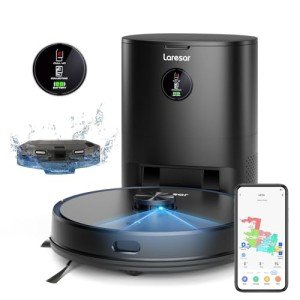
The Rise of Robot Hoovers: A Cleaning Revolution for Modern Homes
In the busy world these days, the demand for efficient and time-saving technologies is at an all-time high. Among the most considerable developments in this world is the robot hoover, a gadget that has transformed the method people maintain cleanliness in their homes. These automated vacuum, equipped with advanced sensing units and artificial intelligence, are developed to browse and clean floorings with very little human intervention. This article explores the world of robot hoovers, exploring their advantages, key features, and how they are reshaping household chores.
What Are Robot Hoovers?
Robot hoovers, also called robotic vacuums or robot vacuum, are smart cleaning gadgets that are created to autonomously tidy floors. These gadgets use a combination of sensors, mapping technology, and algorithms to browse around obstacles, avoid stairs, and cover as much of the floor location as possible. They can be arranged to clean up at particular times, and numerous designs can even go back to their charging docks when their batteries are low.
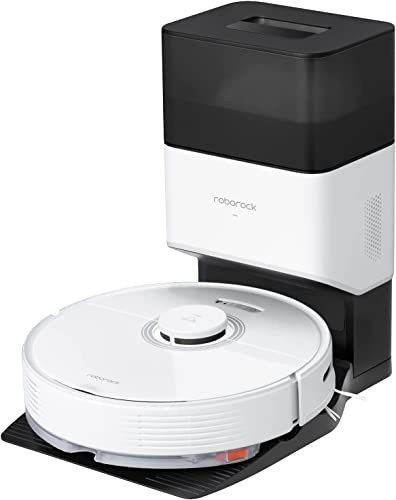
The Evolution of Robot Hoovers
The idea of a robot hoover is not new. The very first industrial robot vacuum cleaner, the Electrolux Trilobite, was presented in 2001. Nevertheless, it was the iRobot Roomba, introduced in 2002, that really popularized the innovation. Over the years, robot hoovers have undergone significant advancements. Modern models are more advanced, with functions such as:
- Improved Navigation: Advanced sensing units and SLAM (Simultaneous Localization and Mapping) technology enable robot hoovers to develop comprehensive maps of the home and browse effectively.
- Enhanced Cleaning Power: Higher suction power and multi-surface cleaning abilities make them effective on numerous floor types, consisting of carpets, wood, and tiles.
- Smart Integration: Many robot hoovers can be managed via smartphone apps, voice assistants, and even integrated with smart home systems.
- Dust Collection Systems: Improved dust collection and bigger bins minimize the frequency of clearing.
- Barrier Avoidance: Enhanced sensors and AI make sure that robot hoovers can prevent furniture, animals, and other barriers without getting stuck.
Advantages of Robot Hoovers
- Time and Effort Savings: One of the most considerable advantages of robot hoovers is the reduction in time and effort needed for Self Cleaning Robot Vacuum. They can run while the homeowner is away or asleep, ensuring a regularly clean home.
- Consistency: Robot hoovers can be configured to clean daily, which helps in preserving a high level of cleanliness. Regular cleaning can prevent the buildup of dust, allergens, and other damaging particles.
- Availability: For individuals with movement concerns or hectic way of lives, robot hoovers offer a practical and accessible service for maintaining a tidy environment.
- Cost-Effective: Over time, the cost of a robot hoover can be balanced out by the decrease in the requirement for expert cleaning company or the purchase of non reusable cleaning products.
- Ecological Impact: Many robot hoovers are developed to be energy-efficient, and their capability to tidy successfully with less water and chemicals makes them a more environment-friendly choice compared to traditional cleaning methods.
Key Features to Consider
When searching for a robot hoover, several features are worth considering:
- Suction Power: The cleaning efficiency of a robot hoover is straight associated to its suction power. Higher suction power is generally much better for deep cleaning and getting bigger debris.
- Battery Life: A longer battery life allows the robot hoover to clean up more of the house in a single charge. Search for models with at least 60-90 minutes of battery life.
- Navigation Technology: Advanced navigation innovation, such as SLAM, ensures that the robot hoover can create an accurate map of the home and clean efficiently.
- Smart Connectivity: The ability to control the robot hoover by means of a smart device app or voice assistant includes benefit and versatility.
- Sound Level: While robot hoovers are normally peaceful, some models are created to be even quieter, which is perfect for homes with animals or little kids.
- Dust Bin Capacity: A bigger dust bin implies less frequent emptying, which can be a considerable benefit in larger homes.
- Virtual Walls and No-Go Zones: These functions allow property owners to set specific locations where the robot hoover should not get in, such as pet locations or small spaces.
- Watering System: For robot mops, a constant and regulated watering system is vital for efficient cleaning without over-wetting the floors.
How Robot Hoovers Work
-
Mapping and Navigation:
- Initial Setup: When first presented to a brand-new environment, the robot hoover utilizes its sensing units to create a map of the home. This procedure usually involves a trial run where the robot walks around the home, gathering data about the design.
- Path Planning: Once the map is created, the robot utilizes algorithms to prepare the most efficient cleaning path. It prevents obstacles and ensures that it covers all locations of the home.
- Real-Time Adjustments: As the robot hoover cleans, it continuously updates its map to reflect any modifications in the environment, such as moved furniture or brand-new barriers.
-
Cleaning Modes:
- Spot Cleaning: For focused cleaning in specific locations, such as a spill or a particularly filthy spot.
- Edge Cleaning: Some designs have a devoted edge-cleaning mode to guarantee that areas along the walls and under furniture are completely cleaned.
- Scheduling: Users can set the robot hoover to clean up at particular times, guaranteeing that the home is constantly clean.
-
Upkeep:
- Filter Cleaning: Regular cleaning of the filter is important to preserve the robot hoover’s performance.
- Brush and Mop Replacement: Over time, the brushes and mops might wear and need replacement.
- Software Updates: Many contemporary robot hoovers get regular software application updates to improve their functionality and performance.
Common FAQs About Robot Hoovers
Q1: Are robot hoovers as reliable as traditional vacuum cleaners?
- While robot hoovers may not have the same raw cleaning power as traditional vacuum, they are developed to clean more frequently and consistently. For everyday maintenance, they are extremely effective and can handle most family cleaning needs.
Q2: Can robot hoovers navigate stairs and other obstacles?
- A lot of robot hoovers are geared up with cliff sensors to prevent them from dropping stairs. They can navigate around furnishings and other obstacles, however it’s best to keep the floor relatively clear to ensure ideal performance.
Q3: How frequently do I require to clear the dust bin?
- The frequency of emptying the dust bin depends upon the size of the home and the quantity of particles. Usually, a larger dust bin will need to be emptied less frequently. For most users, clearing the bin as soon as a week is enough.
Q4: Can robot hoovers be utilized in homes with family pets?
- Yes, lots of robot hoovers are particularly designed to manage pet hair and dander. They can clean up under furnishings and in hard-to-reach locations where pet hair frequently builds up.
Q5: Are robot hoovers noisy?
- The majority of robot hoovers are designed to be reasonably quiet, however the noise level can differ. Search for models with noise ratings listed below 60 decibels for a more pleasant cleaning experience.
Q6: Can I manage a robot hoover remotely?
- Yes, lots of modern robot hoovers can be controlled by means of a mobile phone app or voice assistant. This enables users to start, stop, and schedule cleaning sessions from anywhere.
The Future of Robot Hoovers
The future of robot hoovers is promising, with continuous advancements in technology. Some prospective developments consist of:
- Enhanced AI: More sophisticated AI will enable robot hoovers to find out and adjust to the specific requirements of each home, such as acknowledging various kinds of dirt and changing their cleaning techniques accordingly.
- Multifunctional Capabilities: Future models may combine vacuuming with mopping, scrubbing, and even air purifying, providing a more extensive cleaning service.
- Enhanced Battery Technology: Advances in battery innovation will likely lead to longer battery life and faster charging times, making robot hoovers a lot more convenient.
- Integration with Smart Homes: As smart home systems become more common, robot hoovers will likely incorporate more effortlessly, enabling collaborated cleaning with other smart gadgets.
Robot hoovers have come a long method since their inception, offering a range of advantages that cater to the modern property owner’s needs. From conserving effort and time to preserving a consistent level of tidiness, these gadgets are a valuable addition to any family. As technology continues to progress, the capabilities of robot hoovers will just improve, making them an increasingly attractive choice for those looking to streamline their cleaning routines.
Whether you’re a busy professional, a moms and dad with a young household, or someone with mobility issues, a robot hoover can assist you keep your home clean and inviting with minimal effort. By comprehending the essential features and advantages, you can choose the best design to fit your specific needs and enjoy the convenience of automatic cleaning.
Additional Resources
- iRobot Roomba: iRobot.com
- Electrolux Trilobite: Electrolux.com
- Dyson 360 Eye: Dyson.com
- EcoVacs Deebot: EcoVacs.com
By embracing the technology of robot hoovers, house owners can enjoy a cleaner, more arranged living space, providing more time to concentrate on what really matters.