

Automatic Vacuum Cleaners
FollowOverview
-
Founded Date November 13, 1956
-
Sectors Supply Chain & Distribution Logistics
-
Posted Jobs 0
-
Viewed 8
Company Description
The Ugly Truth About Robot Vacuum
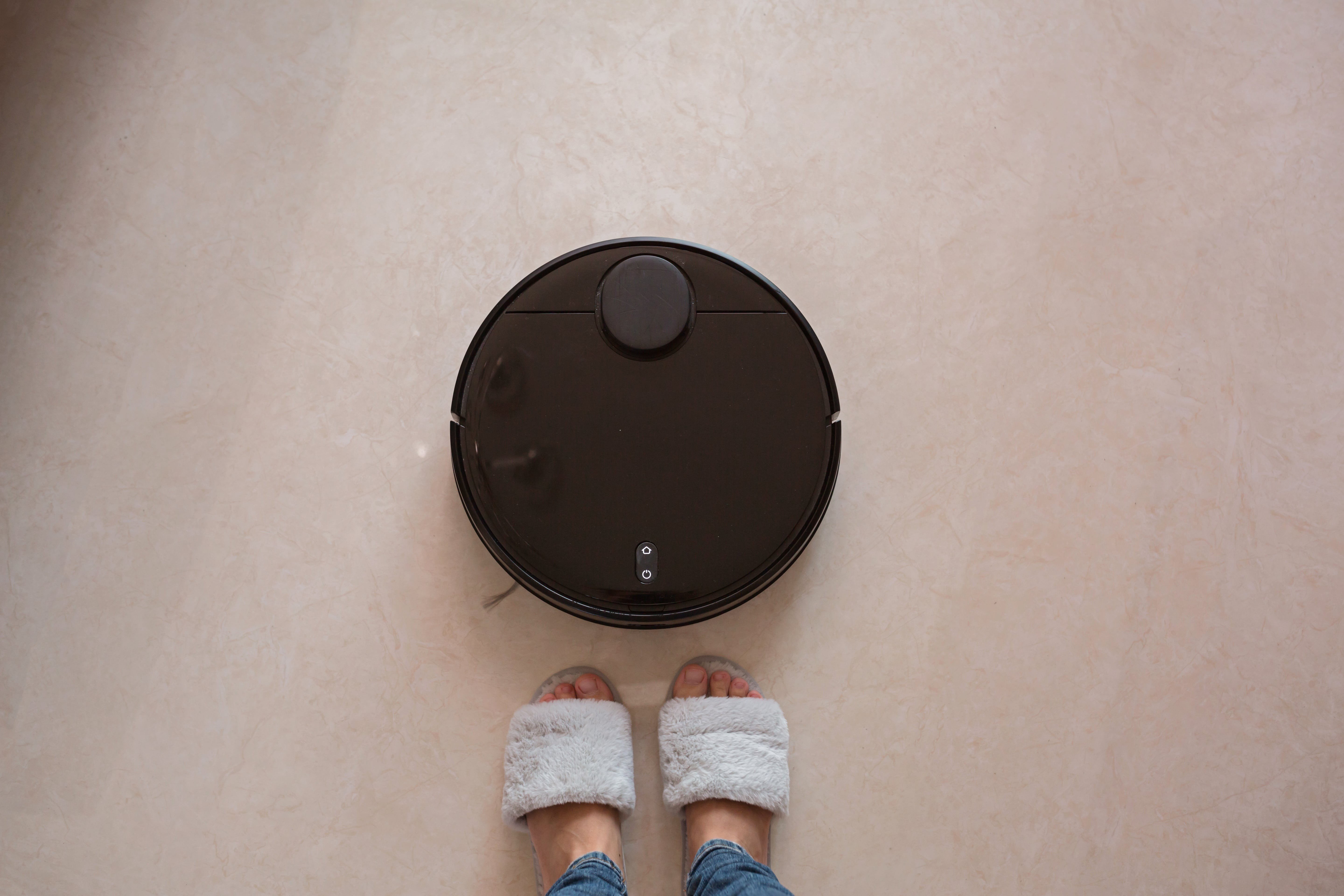
The Rise of Robot Vacuum Cleaners: Revolutionizing Home Cleaning
In today’s hectic world, benefit and performance are paramount, and this is especially true in our homes. Amongst the developments created to streamline our lives, robot vacuum cleaners stand out as an amazing service for automatic floor cleaning. They combine innovative technology with easy to use features, making them a significantly popular option for homes around the globe. This post explores the benefits, functions, types, and upkeep of robot vacuum cleaners, along with a thorough FAQ section to address typical questions.
Introduction of Robot Vacuum Cleaners
Robot vacuum cleaners are self-governing devices that navigate around a home to tidy floors without human intervention. The majority of models are equipped with advanced sensors, allowing them to avoid barriers, detect dirt, and browse around numerous floor types effectively.
Secret Features
| Feature | Description |
|---|---|
| Navigation Technology | Utilizes sensing units and mapping innovation to navigate spaces. |
| Suction Power | Differs by design; strong suction for various particles types. |
| Dustbin Capacity | Different models provide varying capability– typically 0.5 to 1 liter. |
| Battery Life | Generally lasts from 60 minutes to over 2 hours. |
| App Compatibility | Lots of models connect to mobile phone apps for control and scheduling. |
| Voice Commands | Compatible with smart devices (Alexa, Google Assistant). |
| Scheduling | Permits users to set cleaning schedules in advance. |
Advantages of Robot Vacuum Cleaners
The increasing popularity of robot vacuum cleaners can be credited to many advantages they use:
- Time-saving: Robot vacuums can run autonomously while users carry out other tasks, thus releasing up time.
- Convenience: Most models can be set up to tidy regularly, making sure consistent maintenance without user intervention.
- Efficient Cleaning: Equipped with sensors, robot vacuums can reach under furniture and tidy corners completely.
- Smart Features: Many robot vacuums come with smartphone integration and voice commands, allowing easy control at a range.
- Pet-friendly: Specially developed designs can deal with pet hair and dander successfully, making them ideal for animal owners.
- Compact Design: Their low profile enables them to navigate tight spaces easily, guaranteeing extensive cleaning coverage.
Kinds Of Robot Vacuum Cleaners
There are several types of robot vacuum offered in the market, each created to fulfill specific needs:
| Type | Description |
|---|---|
| Standard Models | Affordable alternatives with simple cleaning functions. |
| Advanced Models | Function mapping innovation and stronger suction. |
| Hybrid Models | Integrate vacuuming and mopping abilities. |
| Pet-Specific Models | Designed with functions focused on animal hair and smells. |
| High-End Models | Geared up with advanced AI, several cleaning modes, and premium functions. |
How Robot Vacuum Cleaners Work
Robot vacuum depend on a number of innovations to function efficiently:
- Sensors: Robots are equipped with infrared sensing units and cliff sensors to identify walls and prevent falling off edges.
- Mapping Technology: Advanced models make use of Lidar or electronic camera systems to create a map of the cleaning location, enhancing navigation.
- Suction Mechanism: Different suction strengths cater to different floor types and debris levels.
- Charging Stations: Most robots automatically go back to a docking station when the battery is low to charge.
Maintenance Tips
Keeping a robot vacuum cleaner in great condition ensures its longevity and effectiveness. Here are some upkeep suggestions to keep in mind:
- Regular Cleaning: Empty the dustbin frequently, specifically during heavy use.
- Filter Replacement: Change filters according to the manufacturer’s suggestions to maintain suction.
- Brush Maintenance: Regularly tidy the brushes to eliminate hair and particles, which can impede performance.
- Sensor Cleaning: Wipe the sensing units carefully to clear any blockages that may impact navigation.
- Software application Updates: Update the device’s software application as needed for enhanced performance and new features.
FAQs About Robot Vacuum Cleaners
To even more assist users in selecting and maintaining their robot Remote-Controlled Vacuum cleaner, here prevail questions and responses:
1. Just how much do robot vacuum cost?Prices vary
from around ₤ 150 for basic designs to over ₤ 1,000 for high-end alternatives with innovative functions.
2. Can robot vacuum replace conventional vacuums?While robot vacuums can effectively maintain cleanliness, they might not completely change a standard vacuum for deep cleaning jobs. 3. The length of time do robot vacuum batteries last?Most robot vacuums run for about 60 to 120 minutes on a full charge, depending on the model and cleaning mode. 4. Do robot vacuums work on carpets?Yes, a lot of robot vacuums are designed to clean up both carpet
and hard floorings. However, the efficiency may vary
depending on the suction power. 5. Are robot vacuums noisy?Noise levels differ by model; nevertheless, many robot vacuums run at a decibel level similar to a basic
conversation. 6. How do I select the right
robot vacuum for my home?Consider the design of your home, kind of flooring, presence of family pets, and your budget plan when picking a model.
Robot vacuum cleaners represent an amazing development in home cleaning technology, making life simpler and more efficient for busy people and families. By understanding the features, types, and maintenance requirements, customers can make educated options that match their cleaning requirements. As innovation continues to progress, these devices will only end up being more sophisticated, paving the way for an even cleaner and more hassle-free home environment. Buying a robot vacuum cleaner is not only a step towards a cleaner home but likewise a leap into the future of smart living.