

Best Baby Cots
FollowOverview
-
Founded Date February 6, 1978
-
Sectors Content Creator
-
Posted Jobs 0
-
Viewed 45
Company Description
10 Apps To Aid You Manage Your Cots And Cot Beds
The Comprehensive Guide to Cots and Cot Beds: Choosing the Right Bed for Your Little One
When it comes to preparing for a brand-new addition to the household, one of the most vital choices moms and dads face is selecting the best sleeping arrangement for their infant room Furniture. Cots and cot beds are 2 popular options that provide diverse performances and styles. This guide intends to provide an extensive take a look at cots and cot beds, their differences, advantages, and what to try to find when deciding.
What Is a Cot?
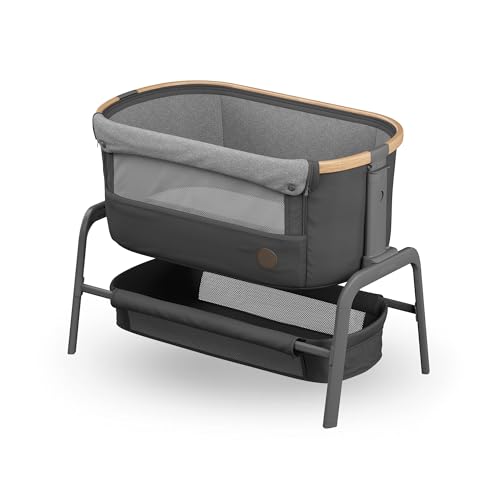
A cot generally describes a small bed developed particularly for babies and young children. These beds typically include high sides to prevent the kid from falling out and are made from tough products that provide security and security. Cots are frequently portable, allowing parents to move them from room to room easily.
Key Features of Cots
- Compact Size: Fits quickly into smaller sized areas, making it perfect for homes or rooms with restricted area.
- Fixed Sides: Provides a safe sleeping environment, decreasing the danger of falls.
- Mobility: Many cots are light-weight and include wheels, making it helpful for movement.
Benefits of Cots
- Safety: High sides and strong building and construction reduce falling dangers.
- Affordability: Generally less expensive than cot beds, making it simpler on the budget.
- Simplicity: Less complicated assembly, often needing less tools.
What Is a Cot Bed?
A cot bed is a more versatile option that can grow with the kid. It generally includes detachable sides and adjustable mattress heights, which enables it to be transformed into a toddler bed when the kid outgrows the cot phase.

Key Features of Cot Beds
- Convertible Design: Can be transformed into a toddler bed or perhaps a full-sized bed (with extra purchases).
- Adjustable Heights: Mattress height can be adapted to accommodate the kid’s development.
- Longevity: A cot bed can be used for numerous years, making it a long-lasting investment.
Advantages of Cot Beds
- Adaptability: Each cot bed can transition into a more extensive sleeping plan, eliminating the need for numerous beds as the child grows.
- Elegant Designs: Cot beds typically can be found in a range of styles, colors, and products, allowing for a more individualized appearance in the nursery.
- Convenience and Space: Many cot beds supply more sleeping and moving space for older babies and toddlers.
Key Differences Between Cots and Cot Beds
| Function | Cot | Cot Bed |
|---|---|---|
| Size | Compact, small | Larger, more roomy |
| Convertible | No | Yes |
| Life-span | Approximately 2-3 years | 2-5 years and beyond |
| Mattress Adjustment | Fixed height | Adjustable |
| Mobility | Typically light-weight | Normally much heavier |
| Price | More affordable | Can be more pricey |
Considerations When Choosing Between Cots and Cot Beds
- Space Requirements: Consider the offered area in your home. If you have a small nursery or shared bedroom, a cot might be preferable.
- Durability: Think about the length of time you desire the product to last. Cot beds use durability and worth for cash offered their convertible style.
- Safety Standards: Always inspect for security policies and accreditations for both cots and cot beds to ensure your kid’s safety.
- Budget: Decide on a spending plan that works for your family and weighs the costs versus the expected lifespan and use of each choice.
- Aesthetic Preferences: Both cots and cot beds come in numerous styles and surfaces, so think about which style fits best with your nursery decor.
FAQ (Frequently Asked Questions)
1. At what age should I shift my baby from a cot to a cot bed?
A lot of babies transition from a cot to a cot bed around 2-3 years of ages, depending on their development and the private kid’s preparedness.
2. What is the optimum weight limit for cots and cot beds?
Cots typically have a weight limit of around 25 to 30 pounds, while cot beds can support approximately 50 pounds or more, depending on the style.
3. How frequently should I check the bed mattress for wear and tear?
It is recommended to examine the bed mattress at least every 6 months. Look for drooping, tears, or signs of mold, and replace it as needed.
4. Can I utilize a basic crib bed mattress in a cot bed?
Generally, cot beds require a different size bed mattress than basic cribs due to their larger measurements. Always examine the cot bed specifications before purchasing a mattress.
5. What products should I try to find in cots and cot beds?
Search for non-toxic, safe products like strong wood or top quality MDF. Make sure that any paint or finish is devoid of lead or harmful chemicals.
Picking in between a cot and a cot bed is a significant decision that can set the tone for your baby’s sleeping experience. While both options have their special benefits, being informed about their characteristics can help parents decide that matches their particular needs. By considering area, budget plan, style, and longevity, moms and dads can produce a safe and comfortable sleeping environment for their youngsters, setting the foundation for healthy sleep routines as they grow.