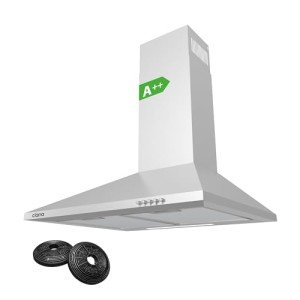
Chimney Cooker Hoods
FollowOverview
-
Founded Date August 19, 2006
-
Sectors Content Creator
-
Posted Jobs 0
-
Viewed 5
Company Description
The Reason Why Oven Hood Is The Obsession Of Everyone In 2025
The Importance of Oven Hoods in Modern Kitchens
When it concerns kitchen style, one of the most crucial yet typically ignored features is the oven hood. An important part of any cooking space, oven hoods serve not just as a trendy component but also supply essential functionality that can dramatically affect your cooking experience. This blog post will dive into the numerous elements of oven hoods, including their types, benefits, upkeep, and FAQs.
What is an Oven Hood?
An oven hood, likewise understood as a range hood or vent hood, is a device set up above a stove or cooktop. Its main purpose is to capture smoke, steam, heat, grease, and smells generated throughout cooking, eventually enhancing air quality in the kitchen. Oven hoods can be vented to the outside or recirculated within the kitchen.
Types of Oven Hoods
Comprehending the offered types of oven hoods is necessary when choosing the right one for your kitchen. Below is a table summing up the different kinds of oven hoods and their characteristics:
| Type | Description | Pros | Cons |
|---|---|---|---|
| Wall-Mounted | Installed against a wall, generally above the cooking surface area. | Easy to install; versatile styles. | May need ductwork. |
| Under-Cabinet | Fits underneath kitchen cabinets, providing a tidy, structured look. | Space-saving; blends well. | Restricted power and capacity. |
| Island | Suspended from the ceiling above an island cooktop. | Dramatic centerpiece; high airflow. | Typically more expensive. |
| Downdraft | Incorporates into the cooktop and increases when required. | Minimalistic; no overhead hood. | Less efficient than others. |
| Expert | Sturdy hoods created for high-resolution cooking environments (i.e., dining establishments). | High power; ideal for extreme cooking. | Bulky; requires special setup. |
Benefits of Oven Hoods
Buying a quality oven hood features numerous benefits that can boost your kitchen experience. Below are a few of the primary advantages:
- Improved Air Quality: By getting rid of smoke, steam, and smells, oven hoods significantly improve the air quality in your kitchen.
- Health Benefits: Cooking can release hazardous contaminants. Oven hoods assist to reduce exposure to these pollutants.
- Security of Finishes: Grease and wetness can harm cabinets and walls in time. An oven hood assists to safeguard these surface areas.
- Increased Lighting: Many oven hoods come geared up with integrated lights, which illuminate your cooking area effectively.
- Visual Appeal: Hoods can work as a striking style element, improving the total appearance and feel of the kitchen.
Choosing the Right Oven Hood
When selecting an oven hood, several factors come into play. Here’s a list to assist you in making a notified decision:
- Kitchen Size: Measure your kitchen area and the area around the cooking surface to make sure the hood fits properly.
- Ductwork: If choosing a vented hood, evaluate the existing ductwork or consider having it set up.
- Suction Power: Evaluate the CFM (cubic feet per minute) ranking, which suggests the hood’s suction power. A higher CFM is needed for larger cooktops or heavy cooking activities.
- Noise Levels: Check the hood’s sones score. A quieter hood might be less disruptive throughout cooking.
- Design: Match the hood’s design with your kitchen’s visual appeals, whether you’re looking for a modern, conventional, or industrial design.
Maintenance Tips
Proper maintenance of your oven hood can prolong its lifespan and enhance its performance. Here’s a list of important maintenance suggestions:
- Regular Cleaning: Clean the filters and surface areas routinely to prevent grease buildup.
- Change Filters: For hoods with charcoal filters, replace them periodically, usually every 6-12 months.
- Examine for Blockages: Ensure the ductwork is clear of blockages to make the most of air flow.
- Check Electrical Components: Regularly inspect wires and connections, especially in professional-grade hoods.
Frequently Asked Question About Oven Hoods
1. How high should an oven hood be set up?
Normally, oven hoods must be set up 24-30 inches above the cooking surface area, but this may differ based on the hood design. Constantly consult the producer’s standards.
2. Do I need a hood if I have an induction cooktop?
While induction cooktops produce less heat and steam, a vent hood is still advised to improve air quality and prevent smell buildup.
3. Do I need to vent my oven hood outside?
Venting outdoors is generally more efficient in getting rid of smells and heat; however, recirculating hoods can be a useful option in certain scenarios, such as homes where ductwork installation isn’t practical.
4. How frequently should I clean my oven hood?
It is a good idea to clean the hood and change filters frequently, with a deep clean every 3-6 months, depending upon how often you cook.
5. Can I install an oven hood myself?
While some homeowners select to install their hoods, it is frequently best to speak with an expert, particularly if ductwork changes are needed.
Oven hoods are more than just an aesthetic addition to a kitchen; they play an essential role in ventilation, health, and general cooking enjoyment. By understanding the different types, benefits, and upkeep requirements of oven hoods, property owners can make informed decisions that enhance their cooking environment. Whether you are upgrading your present setup or developing a brand-new kitchen, buying a quality oven hood is certainly rewarding.