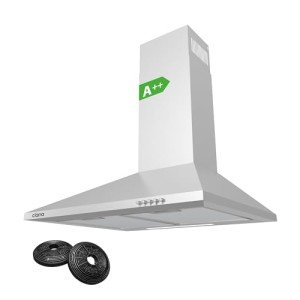
Cooker Extractor Hoods
FollowOverview
-
Founded Date September 8, 1913
-
Sectors Engineering
-
Posted Jobs 0
-
Viewed 8
Company Description
15 Top Twitter Accounts To Learn More About Cooker Hood Extractor Fan
The Essential Guide to Cooker Hood Extractor Fans
In any modern kitchen, a cooker hood extractor fan serves not just a practical function, but likewise includes design and aesthetic interest the cooking space. These devices are developed to get rid of smoke, steam, and odors while cooking, ensuring a more enjoyable and much healthier environment. This extensive guide will explore everything you need to learn about cooker hood extractor fans, including their types, setup, maintenance, and frequently asked questions.
Table of Contents
- What is a Cooker Hood Extractor Fan?
- Kinds Of Cooker Hood Extractor Fans
- 2.1 Wall-mounted Hoods
- 2.2 Under-cabinet Hoods
- 2.3 Island Hoods
- 2.4 Downdraft Hoods
- Secret Considerations Before Purchase
- Installation Process
- Upkeep Tips
- Advantages of Using a Cooker Hood Extractor Fan
- FAQs
- Conclusion
1. What is a Cooker Hood Extractor Fan?
A cooker hood extractor fan is a home appliance set up above the cooking area to filter air-borne grease, smoke, steam, and smells developed while cooking. These fans either vent air outside (extraction) or filter air and recirculate it back into the kitchen (recirculation). The choice of design depends mostly on kitchen style, cooking routines, and ventilation needs.
2. Kinds Of Cooker Hood Extractor Fans
Understanding the different kinds of cooker hood extractor fans can help one pick the ideal one for their kitchen setup.
| Type | Description | Pros | Cons |
|---|---|---|---|
| Wall-mounted Hoods | Set up against a wall, these are available in various styles and sizes. | Space-saving, stylish styles readily available. | May obstruct upper cabinets. |
| Under-cabinet Hoods | Mounted directly under kitchen cabinets, these hoods are practical for compact spaces. | Doesn’t take additional space; reliable suction. | Limited capability for high-output cooking. |
| Island Hoods | Suspended above kitchen islands, these hoods typically include a more ornamental style. | Offers a focal point in open kitchens. | Needs proper ceiling height for setup. |
| Downdraft Hoods | Designed to rise from the counter top when required and retracts back when not in usage. | Sleek style; perfect for islands. | More pricey; needs cautious setup. |
3. Secret Considerations Before Purchase
When shopping for a cooker hood extractor fan, several aspects ought to be thought about:
- Size: Ensure the hood is large enough to cover the cooking surface area sufficiently.
- CFM Rating (Cubic Feet per Minute): This determines the air flow. Higher CFM is better for more intense cooking.
- Noise Level: Consider the decibel level; quiet fans run listed below 60 dB.
- Venting Type: Decide in between ducted (vents outside) and ductless (filters and recirculates).
- Filter Type: Options include charcoal, aluminum, or a combination– this affects maintenance and effectiveness.
4. Installation Process
While professional setup is frequently suggested, fundamental standards can assist homeowners install their Cooker Hood Extractor Fans (Https://Www.Blairboches.Top/) efficiently.
- Pick the Location: The ideal height for installation above the cooking surface area is generally 24 to 36 inches.
- Gather Tools: Required tools might consist of a drill, screwdriver, level, and determining tape.
- Set Up Ductwork (if necessary): For ducted systems, assist the ductwork to the exterior of the home without sharp bends.
- Protect the Hood: Follow the producer’s guidelines to connect the hood firmly to the wall or kitchen cabinetry.
- Connect Electricals: Make sure the electrical connections provide adequate power; consult an electrical contractor if unsure.
5. Upkeep Tips
To keep a cooker hood extractor fan operating effectively, upkeep is essential. Here are some ideas:
- Regularly Clean Filters: Depending on usage, tidy metal filters every 4 to 6 weeks. Charcoal filters might require replacement every 3 to 6 months.
- Clean Down Surfaces: Use moderate cleaning agent and a soft cloth to clean the exterior and prevent grease buildup.
- Look for Blockages: Periodically inspect ducts to guarantee there are no obstructions or accumulation that can hinder air flow.
6. Advantages of Using a Cooker Hood Extractor Fan
Buying a cooker hood extractor fan includes various benefits:
- Improved Air Quality: They get rid of air-borne particles, lowering the existence of smoke and fumes in the kitchen.
- Enhanced Cooking Experience: A well-ventilated kitchen makes cooking more pleasant and reduces lingering smells.
- Aesthetic Appeal: Available in different styles, they can enhance the kitchen’s general style.
- Energy Efficiency: Many models are energy-efficient, minimizing energy expenses if utilized properly.
7. Frequently asked questions
Q1: How often should I clean up the cooker hood?A1: Clean the filters every 4-6 weeks, and the exterior surface areas can be cleaned weekly or as required. Q2: Is it vital to have a ducted hood?A2: Ducted
hoods are typically more efficient because they vent air exterior
, but ductless options are efficient when exterior venting isn’t possible. Q3: Can I install a hood myself?A3: While it’s possible, working with a professional guarantees
proper setup, particularly
for ductwork and electrical connections. Q4: What elements affect the efficiency of extraction?A4: Fan speed, duct length, and the existence of bends in the ductwork can all influence efficiency. Q5: Are all cooker hoods the very same size?A5: No,
cooker hoods can be found in different sizes, and it’s necessary to pick one that covers your cooking area properly
. 8. Conclusion A cooker hood extractor fan is
an indispensable addition to any kitchen, combining functionality with design. Whether you are an enthusiastic cook
or someone who
takes pleasure in gathering friends and family in the kitchen, purchasing the best extractor fan will enhance air quality, improve cooking convenience, and elevate the overall kitchen experience. By thinking about factors such as types, maintenance, and setup, homeowners can select a model that completely matches their cooking habits and kitchen looks.