

Cooker Fans
FollowOverview
-
Founded Date April 26, 1930
-
Sectors General Trading Company
-
Posted Jobs 0
-
Viewed 37
Company Description
The History Of Extractor Hood In 10 Milestones
The Ultimate Guide to Cooker Extractor Hoods: Clean Air and Cooking Efficiency Made Easy
In today’s kitchens, performance and aesthetic appeals go hand-in-hand. One vital element that typically takes spotlight is the cooker extractor hood. These kitchen home appliances not only enhance the visual appeal of a cooking area but also play a crucial function in keeping air quality. In this thorough guide, we will explore the different kinds of cooker extractor hoods, their advantages, setup factors to consider, and maintenance suggestions.
What is a Cooker Extractor Hood?
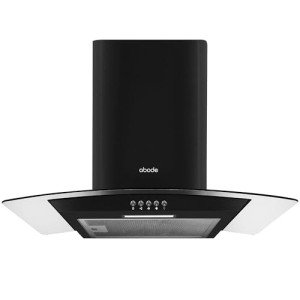
A cooker extractor hood, frequently referred to as a range hood, is a home appliance installed above the cooking surface. Its primary function is to aerate the kitchen by eliminating smoke, steam, heat, and cooking smells. It can also help remove grease particles that could settle on surface areas, thus enhancing the general tidiness of the kitchen.
Why Do You Need a Cooker Extractor Hood?
- Air Quality Improvement: Removes hazardous smoke and pollutants from the air.
- Odor Control: Prevents the sticking around smell of food from taking over your home.
- Grease Reduction: Minimizes grease build-up on cabinets and counter tops.
- Cooking Efficiency: Helps keep a comfortable cooking temperature.
Types of Cooker Extractor Hoods
Cooker extractor hoods can be found in numerous styles and performances. The best option will depend on your kitchen design, area, and cooking practices.
1. Wall-Mounted Hoods
Description: These hoods are mounted directly to the wall above the cooking location. They are popular for their visual appeal and performance.
Pros:
- Stylish style alternatives.
- Available in numerous sizes.
Cons:
- Requires enough wall space.
2. Island Hoods
Description: Installed above an island cooktop, these hoods are suspended from the ceiling.
Pros:
- Provides a focal point in open kitchen styles.
- Easily captures smoke and steam from all angles.
Cons:
- Typically more costly.
- Requires ceiling support.
3. Under-Cabinet Hoods
Description: These compact hoods fit underneath the cabinet above the stove.
Pros:
- Space-saving design.
- Easy to install.
Cons:
- Limited extraction power.
4. Downdraft Hoods
Description: Integrated into the cooking surface area, downdraft hoods rise up when in use and retract when not required.
Pros:
- Sleek and unobtrusive design.
- Excellent for kitchens with restricted headspace.
Cons:
- Usually less powerful than traditional hoods.
5. Integrated Hoods
Description: Custom-fitted into kitchen cabinetry, built-in hoods blend flawlessly with the kitchen design.
Pros:
- Aesthetic versatility.
- Can be customized to specific kitchen styles.
Cons:
- Installation can be complex and expensive.
| Kind of Hood | Pros | Cons |
|---|---|---|
| Wall-Mounted | Elegant options, numerous sizes. | Needs wall space. |
| Island | Centerpiece, catches from all angles. | More pricey, needs ceiling assistance. |
| Under-Cabinet | Space-saving, simple to install. | Restricted extraction power. |
| Downdraft | Streamlined design, great for tight spaces. | Less effective. |
| Built-In | Visual versatility, custom-made fit. | Complex installation. |
Key Features to Consider
When choosing a cooker extractor hood, different functions can affect its efficiency and convenience. Here are some to keep in mind:
-
Suction Power (CFM): Measured in Cubic Feet per Minute (CFM), this shows how effectively the hood can eliminate air. Greater CFM scores generally imply better suction.
-
Sound Level (Sonnes): Noise is another crucial aspect. Try to find hoods that use quieter operation, usually ranked under 60 sones for an ideal cooking experience.
-
Filters: Consider whether the hood utilizes charcoal filters (for recirculating designs) or aluminum baffle filters (for ducted designs). Quickly changeable filters streamline maintenance.
-
Ducted vs. Ductless: Ducted hoods vent air outside, while ductless hoods filter air and recirculate it back into the kitchen. Each has its advantages, depending upon the kitchen’s layout.
-
Control Panels: Look for user-friendly controls like touch panels or remote controls for ease of operation.
Setup Considerations
Appropriate installation is vital for the efficiency of a cooker extractor hood. Here are important tips:
- Height from Cooktop: Most producers recommend a mounting height of 26 to 30 inches above the cooking surface.
- Ducting: Ensure that ductwork is properly sized and set up to promote efficient air flow.
- Expert Installation: If not sure, working with a professional can ensure the hood is set up correctly.
Upkeep Tips
To keep your cooker extractor hood functioning optimally, follow these maintenance ideas:
- Clean Filters Regularly: Depending on use, filters need to be cleaned or replaced every 1-3 months.
- Wipe Down Exterior: Use a non-abrasive cleaner to keep the outside gleaming.
- Check Vent Ducts: Ensure ducts are complimentary of obstructions and particles.
- Examine for Grease Build-Up: Regularly examine the fan and blower system to prevent grease accumulation.
Regularly Asked Questions (FAQ)
1. How often should I clean my cooker extractor hood?
- It’s recommended to clean filters every 1-3 months, while the outside can be cleaned up as required, usually every couple of weeks.
2. Can I install a cooker extractor hood myself?
- While some designs may be simple, it’s suggested to hire a professional to make sure correct installation for optimum performance.
3. What is the ideal CFM for a cooker extractor hood?
- A great guideline is to have 600 CFM for heavy cooking styles and 300-400 CFM for lighter cooking.
4. Should I select a ducted or ductless hood?
- If your kitchen permits it, a ducted hood is typically more efficient. Nevertheless, if ducting is not possible, a ductless alternative can offer sufficient purification.
5. Do cooker extractor hoods make sounds?
- Yes, all cooker extractor hoods produce some noise. However, models designed with noise-reduction functions can operate more quietly.
Selecting the right cooker extractor hood can substantially enhance your kitchen experience by improving air quality, lowering odors, and keeping tidiness. Understanding the different types, functions, and upkeep needs will empower property owners to make an educated choice tailored to their cooking routines and kitchen design. As kitchens continue to develop into practical home, an efficient cooker extractor hood is not simply a high-end– it is a requirement.