

Elegant Fireplaces
FollowOverview
-
Founded Date September 30, 1935
-
Sectors General Trading Company
-
Posted Jobs 0
-
Viewed 6
Company Description
20 Questions You Should Have To Ask About Fireplace Before You Buy Fireplace
The Charm and Functionality of Fireplaces: A Comprehensive Guide
Fireplaces have long been a central feature in homes, representing warmth, companionship, and comfort. They come in numerous styles, products, and fuel types, accommodating the preferences and needs of varied homeowners. This short article delves into the multifaceted world of fireplaces, exploring their history, types, setup factors to consider, and maintenance ideas, while providing FAQs to resolve typical inquiries.
A Brief History of Fireplaces
Historically, fireplaces worked as the foundation for cooking and heating homes. In ancient times, an open hearth was frequently put in the center of a dwelling. Over centuries, architectural improvements helped with the advancement of more advanced designs, developing from easy stone structures to elaborate mantels that command modern living spaces.
Key Historical Milestones:
- Ancient Times: Open fires in caverns and primitive huts for warmth and cooking.
- Middle Ages: Large, commonly centralized chimney structures in terrific halls of castles.
- Renaissance: Decorative mantels and designs gain popularity, with the fireplace becoming a sign of wealth and status.
- Industrial Revolution: Advancements in materials and making enable a more comprehensive series of fireplace styles.
- Modern Era: Gas and electric fireplaces become commonplace, permitting for increased benefit and security.
Types of Fireplaces
Today, numerous kinds of fireplaces are readily available, each with its unique qualities. Below is a breakdown of the most common types:
| Fireplace Type | Description | Pros | Cons |
|---|---|---|---|
| Wood-Burning | Traditional fireplaces fueled by wood. | Authentic experience, heat output. | Labor-intensive, needs correct venting/maintenance. |
| Gas | Fireplaces that utilize gas or lp. | Easy to use and keep. | Less ambiance compared to wood. |
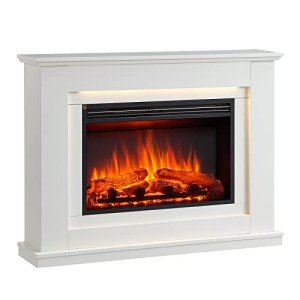
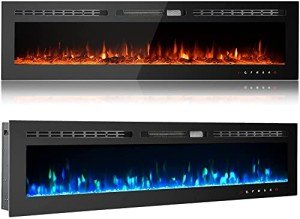
| Electric | Utilizes electricity to produce heat and flames. | Safe, no venting needed. | Restricted heat output, greater energy expenses. |
| Bioethanol | Utilizes bioethanol fuel, producing clean flames. | Eco-friendly, portable. | Needs regular refueling. |
| Pellet | Utilizes compressed wood pellets as fuel. | Clean burning, sustainable. | Requires power for operation. |
Additional Considerations
When choosing a fireplace, it is important to consider factors such as:
- Fuel Availability: Consider what fuels are easily accessible in your area.
- Space and Aesthetics: The size of your living location and your design preferences need to assist your option.
- Structure Regulations: Always consult regional regulations to ensure compliance and security.
Setup Considerations
Installing a fireplace involves more than merely putting a structure in your house. Thorough preparation, professional input, and adherence to security codes are critical. Here are some important steps:
- Planning: Consider the size and kind of fireplace, where it will be positioned, and its intended usage.
- Assessment: Hire a licensed professional to examine your home and ensure proper installation.
- Permits: Obtain any needed building licenses from local authorities.
- Materials: Select appropriate materials for the fireplace and surrounding location. Guarantee they are fireproof and designed for your fuel type.
Maintenance Tips for Fireplaces
Routine maintenance guarantees your fireplace runs securely and efficiently. Here are vital maintenance tips categorized by fireplace type:
Wood-Burning Fireplaces
- Chimney Cleaning: Have your chimney cleaned up every year to prevent creosote accumulation.
- Inspect for Damage: Check for cracks and damage to the firebox and chimney structure.
- Fire wood Storage: Store firewood far from your house to prevent insect invasions.
Gas Fireplaces
- Log Inspection: Regularly analyze ceramic logs for cracks and change if essential.
- Vent Cleaning: Ensure that vents are totally free from obstructions.
- Pilot Burner Check: Test pilot lights and ignition systems regularly.
Electric Fireplaces
- Cable Inspection: Frequently check electrical cords for fraying or wear.
- Tidy Surfaces: Wipe down surfaces routinely to remove dust and debris.
- Smoke Detectors: Ensure smoke detectors in the vicinity are functional.
Bioethanol and Pellet Fireplaces
- Fuel Storage: Store fuels in a cool, dry location away from direct sunshine.
- Regular Refueling: Monitor fuel levels and refuel as needed.
- Ventilation: Ensure proper ventilation when using these fireplaces.
Frequently asked questions About Fireplaces
Q1: Do I need a permit to set up a fireplace?
Yes, most municipalities need licenses for fireplace installations to make sure security and compliance with regional building regulations.
Q2: How often should I clean my chimney?
It is suggested to have your chimney cleaned up a minimum of as soon as a year, especially if you use your fireplace regularly.
Q3: Can I transform a wood-burning fireplace to gas?
Yes, numerous property owners transform wood-burning fireplaces to gas for benefit, but consulting a professional is advisable to guarantee an appropriate conversion.
Q4: Do electric fireplaces produce heat?
Yes, electric fireplaces can produce heat; however, their primary function is typically for ambiance, making them an appropriate option for those who desire a fire look without comprehensive heating.
Q5: Are bioethanol fireplaces safe?
Bioethanol fireplaces are usually safe when utilized properly; however, they require proper ventilation, and users must follow all manufacturer standards.
Fireplaces not just include visual interest homes but also supply useful heating services. With different types, styles, and upkeep requirements, homeowners can make educated choices that best fit their requirements and way of lives. Whether going with the charm of a wood-burning Buy Fireplace or the benefit of a gas design, a fireplace can substantially enhance a home’s comfort and environment. As the hearth remains a centerpiece in homes, it continues to promote warmth, discussion, and connections among household and friends.