Extractor Fan Hood
FollowOverview
-
Founded Date May 24, 1950
-
Sectors HR
-
Posted Jobs 0
-
Viewed 9
Company Description
10 No-Fuss Strategies To Figuring The Chimney Cooker Hood You’re Looking For
A Comprehensive Guide to Chimney Cooker Hoods: Elevate Your Kitchen Experience
In modern kitchens, performance and style typically work together. One important appliance that blends these 2 aspects magnificently is the chimney cooker hood. As homeowners pursue a clean, effective cooking environment, chimney cooker hoods stand apart as popular choices. In this article, we will delve into what chimney cooker hoods are, their features, setup factors to consider, upkeep, and why they might be the ideal addition to your cooking area.
What is a Chimney Cooker Hood?
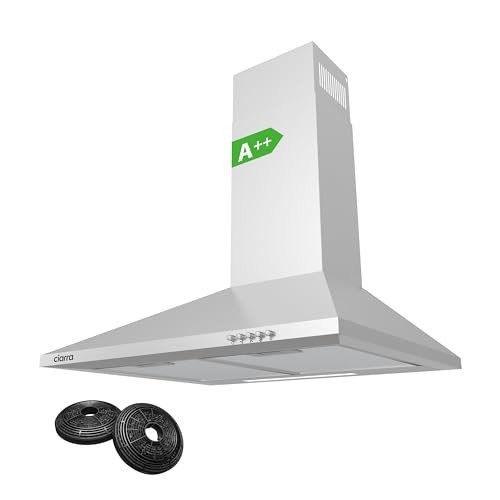
Chimney cooker hoods, frequently described as extractor hoods or range hoods, are ventilation systems mounted above cooking surfaces to extract smoke, smells, steam, and grease produced during cooking. Their design often resembles a chimney, making them aesthetically appealing and a centerpiece in lots of kitchens.
Table 1: Key Components of a Chimney Cooker Hood
| Component | Description |
|---|---|
| Ducting | Responsible for transferring air to the outdoors or through a filter. |
| Filter | Captures grease and particles; can be metal (washable) or charcoal (exchangeable). |
| Fan/Blower | Draws air from the kitchen and expels it outside or recirculates it. |
| Light | Often incorporated to light up the cooking surface area. |
| Control board | Allows users to change settings such as fan speed and lighting. |
Advantages of Chimney Cooker Hoods
Installing a chimney cooker hood offers numerous advantages that improve both the cooking experience and total kitchen atmosphere.
-
Improved Air Quality: By effectively removing smoke, steam, and odors, these hoods significantly improve the kitchen’s air quality.
-
Aesthetic Appeal: With different styles, surfaces, and designs, chimney hoods can work as a trendy centerpiece in the kitchen.
-
Boosted Comfort: By minimizing heat and humidity levels throughout cooking, chimney hoods develop a more comfortable workplace.
-
Grease Reduction: They help keep the kitchen tidy by reducing grease accumulation on surface areas and devices.
-
Versatile Installation Options: Chimney Cooker Hoods (Https://Www.Lancebromagen.Top/Technology/The-Importance-Of-Cooker-Extractor-Fans-A-Complete-Guide) can be installed as wall-mounted or island choices, accommodated the kitchen design.
Table 2: Comparison of Chimney Hood Types
| Type | Ducted | Ductless |
|---|---|---|
| Air Filtration | Filters and vents air exterior. | Utilizes filters to recirculate air. |
| Setup Cost | Generally higher due to ductwork. | Lower, as no duct installation is required. |
| Upkeep | Ducts require cleaning occasionally. | Filters require regular replacement. |
| Performance | Superior in air quality management. | May not get rid of all smells efficiently. |
Features to Consider
When choosing a chimney cooker hood, a number of features should be taken into consideration to ensure that it meets your cooking requirements and visual choices.
CFM Rating
The cubic feet per minute (CFM) score shows how much air the hood can move. A greater CFM is ideal for larger kitchens or if you regularly cook with high heat.
Noise Level
Measured in sones, consider a quieter model if you have an open kitchen or invest long periods cooking.
Controls
Try to find user-friendly controls, whether they are push-button, touch, or remote-controlled, to ensure ease of use.
Lighting
Integrated lighting can improve visibility while cooking; LED lights are energy-efficient and lasting.
Style
Pick a design that matches your kitchen design, whether modern, modern, or traditional.
Setup Considerations
Installing a chimney cooker hood involves mindful planning and factor to consider. Here are some crucial points to keep in mind:
-
Height: The hood must be positioned at an optimum height above the cooking surface– generally between 24 to 30 inches for gas stoves and 20 to 24 inches for electric ranges.
-
Ducting: For ducted models, make sure that an ideal route for ducting exists. Consider employing a professional for the installation.
-
Power Supply: Verify that there is a close-by power outlet that satisfies the hood’s voltage requirements.
-
Size: The hood must be at least as wide as the cooking surface to capture all fumes efficiently.
FREQUENTLY ASKED QUESTION
1. How often should the filters be changed?
- It is recommended to tidy metal filters every 1-2 months and change charcoal filters every 6 months to ensure ideal performance.
2. Can I install a chimney cooker hood myself?
- While it’s possible for useful individuals, professional setup is advised, particularly for ducted designs.
3. What is the ideal CFM for my chimney hood?
- A CFM score of 300-600 is typically adequate for the majority of home cooking needs. If you regularly cook with high heat, think about greater CFM scores.
4. How do I tidy my chimney cooker hood?
- Tidy the exterior regularly with a moist cloth and mild cleaning agent. For filters, check the producer’s instructions on how to tidy or change them.
5. Are chimney hoods energy-efficient?
- Many modern chimney hoods are developed to be energy-efficient, specifically those with LED lighting and variable speed settings.
Upkeep Tips
To ensure your chimney cooker hood runs efficiently, follow these upkeep suggestions:
-
Regular Cleaning: Clean the exterior and interior surfaces regularly to prevent grease buildup. Utilize a cleaner appropriate for your hood’s surface.
-
Filter Maintenance: Clean metal filters month-to-month and change charcoal filters as needed.
-
Check Ductwork: Inspect ducts periodically to get rid of any obstructions; this will assist keep optimum air flow.
-
Professional Servicing: Consider annual assessments or servicing by a qualified specialist.
Chimney cooker hoods are an outstanding financial investment for any kitchen, supplying boosted air quality, aesthetic appeal, and general cooking convenience. By thinking about the essential parts, benefits, functions, and maintenance involved, property owners can make educated choices that will raise their cooking experience. Buying the right chimney cooker hood not only improves the performance of the kitchen but likewise includes a touch of modern beauty that can rejuvenate the whole space. Whether you’re a casual cook or a cooking enthusiast, a chimney cooker hood makes certain to be an important addition to your home.