

Fridge Freezer Retailers
FollowOverview
-
Founded Date March 18, 2014
-
Sectors Health Care
-
Posted Jobs 0
-
Viewed 12
Company Description
See What UK Fridge Tricks The Celebs Are Using
The Evolution of the UK Fridge: A Comprehensive Overview
In the modern kitchen area, the refrigerator stands as a foundation of food conservation and convenience. In the Uk Fridge, fridges have actually transitioned over the decades, progressing in design, functionality, and energy effectiveness. This article offers an in-depth take a look at the history, types, and features of fridges in the UK, in addition to helpful contrasts and insights to help consumers make informed decisions regarding their devices.
A Brief History of Refrigeration in the UK
The concept of refrigeration traces its roots back to the early 19th century. The very first mechanical refrigerator was developed in 1834 by Jacob Perkins, however it would take several years before these devices became commonplace in families.
Evolution of Refrigerators in the UK
| Year | Turning point |
|---|---|
| 1834 | Jacob Perkins invented the very first mechanical refrigerator. |
| 1920s | Commercial refrigerators became available. |
| 1940s | Fridge sales escalated post-World War II. |
| 1960s | Introduction of the frost-free design. |
| 1990s | Increase of energy-efficient models. |
| 2020s | Smart fridges and IoT-enabled appliances. |
Kinds of Refrigerators
Understanding the kinds of fridges offered in the UK is vital for house owners looking to update their kitchen area home appliances. The following are the most typical kinds of refrigerators:
1. Top Freezer Refrigerator
- Description: Traditional fridge style with the freezer compartment situated above the refrigerator.
- Pros: Generally more budget friendly, basic style, and larger fresh food compartment.
- Cons: May be less ergonomic due to the requirement to bend down for fresh food.
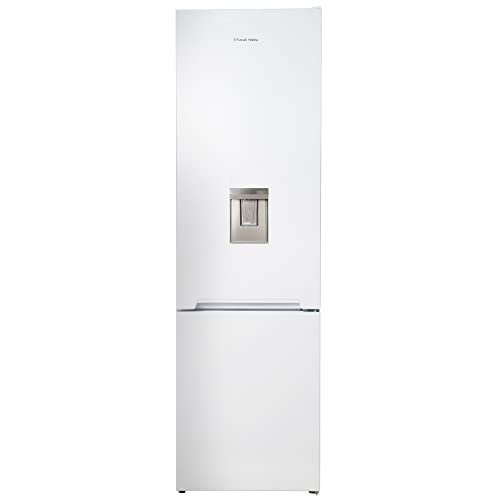
2. Bottom Freezer Refrigerator
- Description: The freezer compartment lies at the bottom, making the fresh food section more accessible.
- Pros: Easier access to frequently used items, energy-efficient style.
- Cons: Less freezer space might be a downside for some houses.
3. Side-by-Side Refrigerator
- Description: Features 2 vertical compartments– one for the fridge and one for the freezer.
- Pros: Ample area for both fresh and frozen food, easy access to items.
- Cons: Can be less energy-efficient, narrower shelves.
4. French Door Refrigerator
- Description: Combines the advantages of a side-by-side fridge with a bottom freezer.
- Pros: Offers large fresh food storage, trendy style, and dual gain access to.
- Cons: More expensive compared to conventional models.
5. Compact or Mini Fridge
- Description: Smaller fridges perfect for dormitory, offices, or small living spaces.
- Pros: Space-saving, portable, and energy-efficient.
- Cons: Limited storage capacity, possibly greater energy costs per liter.
6. Smart Refrigerator
- Description: IoT-enabled fridges that connect to the web, using innovative functions like touchscreen screens, stock tracking, and remote temperature level control.
- Pros: Enhanced benefit, energy performance, and integration with clever home systems.
- Cons: Higher preliminary expense and requires a steady web connection.
Energy Efficiency
With rising energy expenses and growing environmental concerns, energy effectiveness ends up being a critical factor when purchasing a brand-new fridge. The UK utilizes an energy label system that shows How To Buy A Fridge much energy home appliances take in.
Energy Ratings Explained
| Ranking | Energy Use | Description |
|---|---|---|
| A+++ | Most effective | Lowest energy intake, perfect for the eco-conscious consumer. |
| A++ | Very efficient | Good Fridge energy-saving choice without compromising efficiency. |
| A+ | Moderately effective | A balance in between energy usage and expense. |
| B | Requirements improvement | Greater operating expenses, less efficient compared to more recent models. |
| C | Inefficient | Greater energy intake, generally an out-of-date design. |
FAQs
1. How typically should I defrost my fridge?
Most frost-free models do not need manual defrosting. Nevertheless, if you own a manual-defrost fridge, you need to defrost it when ice accumulation surpasses a quarter of an inch.
2. What temperature should I set my fridge to?
The ideal temperature for a refrigerator is between 3 ° C and 5 ° C, while the freezer needs to be set to -18 ° C.
3. Can I put hot food directly into the fridge?
It is advisable to let hot food cool off before putting it in the fridge to prevent raising the internal temperature and risking food wasting.
4. What is the life-span of a refrigerator?
Typically, a refrigerator can last anywhere from 10 to 20 years, depending on the brand name, model, and maintenance.
5. Are clever fridges worth the financial investment?
For tech-savvy customers or those who value benefit, wise fridges can be a beneficial financial investment, especially with functions tailored for modern way of lives.
The refrigerator has actually come a long method because its beginning, developing into a sophisticated home appliance that plays a crucial role in everyday life. Whether one choose a standard model or a cutting-edge smart fridge, understanding the various alternatives, features, and energy effectiveness rankings is vital for making an informed buying decision. With the UK’s growing concentrate on sustainability, it ends up being much more essential for customers to consider energy performance and longevity when selecting their next Fridge Online Shopping. As technology continues to advance and lifestyles change, the evolution of the fridge will unquestionably follow suit, providing even greater convenience and performance in future kitchen areas.