

Geld Fälschen Internet
FollowOverview
-
Founded Date June 9, 1942
-
Sectors Information Technology
-
Posted Jobs 0
-
Viewed 3
Company Description
Best Counterfeit Money Provider It’s Not As Hard As You Think
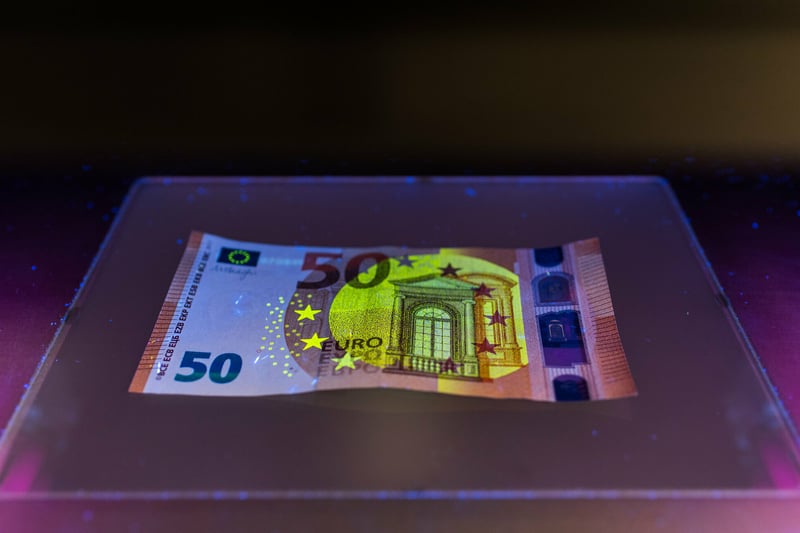
Best Counterfeit Money Provider: A Deep Dive into the Underworld
In the digital age, counterfeit money has taken on brand-new kinds and techniques of circulation, drawing the attention of police worldwide. Although the production and distribution of counterfeit currency are prohibited in virtually every jurisdiction, the question of how counterfeit money is created and who the essential gamers are within this illicit market stays a subject of intrigue. In this post, we will explore the landscape of counterfeit money providers, the technologies they use, and the implications for society.
Understanding the Counterfeit Money Market
The counterfeit currency industry is a complex and clandestine world that runs outside the law. It includes numerous actors ranging from small-time scammers to organized criminal networks that make use of advanced strategies and innovations. Below are a few crucial gamers and methods that have emerged in this underground economy:
-
Small-Time Scammers: Typically, specific counterfeiters who operate on a small scale. They typically use basic printing techniques to produce fake costs and may only produce low-quality recreations.
-
Organized Criminal Syndicates: These groups utilize advanced technology and high-quality products to produce counterfeit money wholesale. They typically have comprehensive networks for circulation and money laundering.
-
Cybercriminals: With the increase of the web, some counterfeit money providers run completely online. They might offer counterfeit currency by means of dark web marketplaces or even use social media platforms to connect with potential buyers.
Key Techniques and Technologies Used
-
Printing Technology: High-quality printers efficient in producing expenses that carefully mimic genuine currency are important in the counterfeit production procedure. Digital printing innovations, such as inkjet and laser printers, are increasingly typical among low-tech counterfeiters.
-
Specialized Paper: Authentic currency is printed on a specific type of paper that has distinct properties. Some counterfeiters have sought to duplicate this by getting specialized stock that is designed to approximate the feel and appearance of real money.
-
Security Features: Advanced counterfeiters often try to duplicate the security features discovered in legal tender. This includes watermarks, security threads, and holographs. However, replicating these functions accurately needs substantial knowledge and fälschungen Kaufen wo financial investment.
-
Circulation Networks: The techniques of distributing counterfeit money have evolved, using both conventional street-level sales tactics and digital platforms. This includes selling percentages of fake bills to unwary merchants or utilizing online marketplaces to reach a more comprehensive audience.
Legal and Social Implications
The implications of counterfeit money circulation extend far beyond the instant economic effect. Here are some crucial implications to think about:
-
Economic Threats: Counterfeit currency undermines trust in the monetary system. It can have significant impacts on businesses, customers, and economies at large.
-
Legal Ramifications: Engaging in the production or circulation of counterfeit money is a serious criminal activity in many jurisdictions, frequently leading to serious penalties, including long prison sentences.
-
Impact on Law Enforcement: The constant development of counterfeit strategies provides difficulties for law enforcement agencies. They need to continually upgrade their skills and resources to combat these crimes effectively.
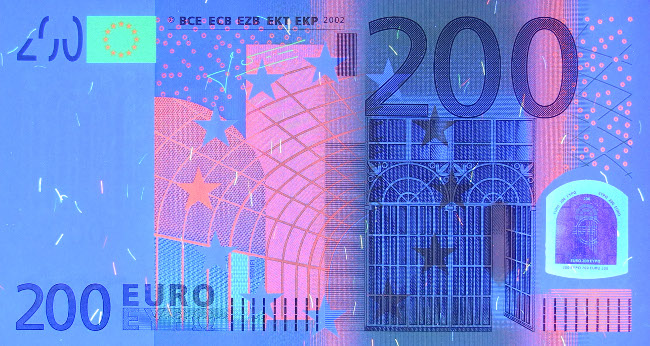
Frequently Asked Questions about Counterfeit Money
Q1: What is counterfeit money?A1: Counterfeit money refers to fake currency that is produced with the intent to deceive and use as if it were legitimate. Q2: How can you identify counterfeit bills?A2: Common techniquesto identify counterfeit bills consist of examining watermarks, inspecting the security thread, feeling the texture of the paper, and utilizing ultraviolet light to reveal hidden features. Q3: What should I do if I receive a counterfeit bill?A3: If you suspect you have received counterfeit currency, do not try to use it. Rather, report it to regional law enforcement and, if possible, to your bank. Q4: Are there any legal methods to ‘utilize ‘counterfeit money?A4: No, it is prohibited to produce, disperse, or use counterfeit
money. Taking part in any of these activities can result in criminal charges. Heeding the Warnings For those who might be tempted to dig into the world of counterfeit currency, a number of warnings need to be observed. The threats connected with engaging