

Home Exercise Equipment
FollowOverview
-
Founded Date July 28, 1943
-
Sectors Legal
-
Posted Jobs 0
-
Viewed 10
Company Description
Three Reasons Why Your Stationary Bike Is Broken (And How To Fix It)
The Comprehensive Guide to Stationary Bikes: Best Practices, Benefits, and FAQs
Recently, stationary bicycles have actually acquired tremendous popularity as a fundamental tool for both home and business fitness. With their capability to provide effective cardiovascular exercises, ease of use, and the convenience of indoor biking, these bikes match a large range of fitness enthusiasts. This post intends to explore the different types of stationary bikes readily available, their advantages, crucial features to think about when buying one, and a comprehensive FAQ section to attend to typical questions associated with stationary biking.
Comprehending the Types of Stationary Bikes
Stationary bicycles normally fall into three main classifications, each dealing with various user preferences and workout designs.
| Kind Of Stationary Bike | Description | Ideal User |
|---|---|---|
| Upright Bike | This bike resembles a conventional bicycle, with users sitting upright. It offers an extreme workout focusing on cardiovascular endurance, leg strength, and lower body toning. | Novices to innovative cyclists looking for a difficult Exercise cycle home. |
| Recumbent Bike | Featuring a reclined seat, recumbent bikes disperse weight equally and support the back. This position produces a comfy trip while engaging the lower body successfully. | Individuals with back problems, senior users, or those looking for a lower-impact exercise. |
| Spin Bike | Spin bikes are designed for high-intensity interval training (HIIT) and simulated road cycling. They feature a heavy flywheel and adjustable resistance levels, best for intense biking workouts. | Fitness enthusiasts trying to find a vigorous workout and those interested in spinning classes. |
Benefits of Using a Stationary Bike
Stationary bikes load various advantages, making them an attractive choice for fitness lovers. Here are some necessary benefits:
-
Cardiovascular Health: Regular biking enhances heart health by increasing cardiovascular endurance. It promotes much better flow and strengthens the heart muscle.
-
Weight-loss and Management: Using a stationary bicycle burns calories, helping people to shed excess weight and keep a healthy body structure when combined with a well balanced diet.
-
Low Impact on Joints: Stationary bikes offer a low-impact workout that decreases pressure on the knees and joints compared to running or even walking, making them ideal for individuals of all fitness levels.
-
Benefit of Indoor Exercise: With a stationary bicycle, users can ride despite the weather, getting rid of the excuses not to exercise. This convenience considerably contributes to consistency and routine development.
-
Versatility and Variety in Workouts: Most stationary bicycles use diverse resistance levels and workout programs, permitting users to customize their sessions according to personal fitness objectives.
-
Muscle Toning: Cycling targets significant muscle groups in the legs, consisting of the quadriceps, hamstrings, and calves. Gradually, this can lead to enhanced muscle meaning and strength.
Key Features to Look for When Buying a Stationary Bike
When considering the purchase of a stationary bicycle, it is essential to focus on particular features to ensure a gratifying and reliable workout experience. Here are some essential elements to consider:
-
Adjustability: Look for a bike with adjustable seats and handlebars to accommodate different body sizes and guarantee convenience during usage.
-
Resistance Levels: Opt for a bike that uses a vast array of resistance settings, enabling progressive strength increases as fitness levels improve.
-
Built-in Programs: Many bikes feature pre-set exercise programs that assist users through regimens, providing range and inspiration.
-
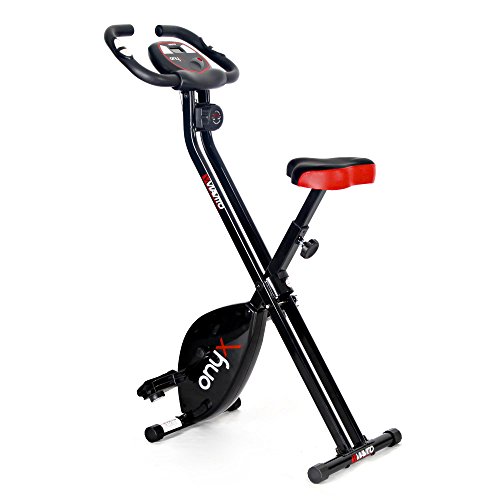
Display and Connectivity: An excellent display screen should track metrics such as speed, distance, calories burned, and time. Think about bikes that can connect to mobile apps or have Bluetooth capability for more engagement.
-
Weight Capacity: Ensure the bike can support your weight for optimum security and efficiency. Most bikes list their optimum weight limitation in the specs.
-
Stability and Build Quality: A sturdy frame and strong building and construction are necessary for attaining a comfy and safe cycling experience, particularly when pressing towards higher resistance levels.
Regularly Asked Questions (FAQs)
1. How frequently should I utilize a stationary bike for ideal outcomes?
For finest results, go for at least 150 minutes of moderate aerobic activity or 75 minutes of vigorous activity weekly, spread throughout several days.
2. Can I drop weight on a stationary bicycle?
Yes, when integrated with a balanced diet, biking can be a reliable ways of burning calories and reducing weight.
3. Is cycling on a stationary bicycle bad for my knees?
No, stationary cycling is a low-impact exercise that lessens stress on the knees. However, it is suggested to maintain proper form and adjust the seat height properly to avoid any excessive tension.
4. Can you build muscle with a stationary bicycle?
While the primary benefit of stationary bicycles is cardiovascular fitness, routine usage can assist tone and strengthen the muscles of the legs and lower body.
5. Are stationary bicycles ideal for seniors?
Yes, they are an excellent choice for seniors, as they supply low-impact exercises that support cardiovascular health while being much easier on the joints.
6. Just how much should I invest on a stationary bicycle?
Prices can differ extensively based on functions, brand, and quality. Anticipate to spend anywhere from ₤ 200 to ₤ 2,000. Set your budget plan according to your requirements and intended usage.
Stationary bikes represent a versatile and effective fitness tool that can accommodate users of all fitness levels. With an array of alternatives readily available, understanding the types, benefits, and features can empower people to make educated choices. By integrating stationary biking into a fitness regimen, users can enhance their cardiovascular health, maintain a healthy weight, and enjoy the convenience of indoor cycling whenever they desire. Whether you’re a beginner or an advanced cyclist, a stationary bicycle can be a vital addition to any fitness program.