

Island Cooker Hoods
FollowOverview
-
Founded Date March 5, 2009
-
Sectors Accounting / Finance
-
Posted Jobs 0
-
Viewed 3
Company Description
How Oven Hood Has Transformed My Life The Better
The Importance of Oven Hoods in Modern Kitchens
When it concerns kitchen design, among the most vital yet typically ignored features is the oven hood. A vital component of any cooking space, oven hoods serve not just as a stylish aspect however also provide vital functionality that can dramatically impact your cooking experience. This article will look into the numerous elements of oven hoods, including their types, advantages, upkeep, and FAQs.
What is an Oven Hood?
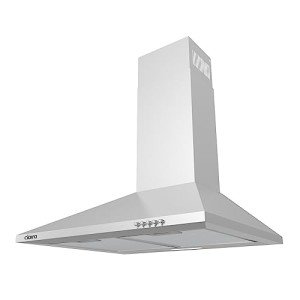
An oven hood, likewise understood as a range hood or vent hood, is a device installed above a stove or cooktop. Its main purpose is to record smoke, steam, heat, grease, and odors created during cooking, eventually enhancing air quality in the kitchen. Oven hoods can be vented to the outside or recirculated within the kitchen.
Types of Oven Hoods
Comprehending the readily available kinds of oven hoods is important when picking the ideal one for your kitchen. Below is a table summarizing the different types of oven hoods and their qualities:
| Type | Description | Pros | Cons |
|---|---|---|---|
| Wall-Mounted | Installed versus a wall, typically above the cooking surface. | Easy to set up; versatile designs. | May require ductwork. |
| Under-Cabinet | Fits underneath kitchen cabinets, offering a tidy, streamlined appearance. | Space-saving; blends well. | Restricted power and capability. |
| Island | Suspended from the ceiling above an island cooktop. | Remarkable focal point; high air flow. | Typically more costly. |
| Downdraft | Integrates into the cooktop and increases when needed. | Minimalistic; no overhead hood. | Less effective than others. |
| Professional | Sturdy hoods designed for high-resolution cooking environments (i.e., restaurants). | High power; appropriate for extreme cooking. | Bulky; needs special setup. |
Advantages of Oven Hoods
Purchasing a quality oven hood includes numerous advantages that can improve your kitchen experience. Below are some of the main advantages:
- Improved Air Quality: By eliminating smoke, steam, and odors, oven hoods substantially enhance the air quality in your kitchen.
- Health Benefits: Cooking can release hazardous pollutants. Oven hoods assist to lower direct exposure to these pollutants.
- Security of Finishes: Grease and moisture can harm cabinetry and walls over time. An oven hood helps to safeguard these surface areas.
- Increased Lighting: Many oven hoods come geared up with integrated lights, which illuminate your cooking location effectively.
- Aesthetic Appeal: Hoods can act as a striking style aspect, boosting the overall look of the kitchen.
Selecting the Right Oven Hood
When selecting an oven hood, a number of elements enter into play. Here’s a list to guide you in making an informed choice:
- Kitchen Size: Measure your kitchen space and the location around the cooking surface to ensure the hood fits properly.
- Ductwork: If going with a vented hood, assess the existing ductwork or think about having it set up.
- Suction Power: Evaluate the CFM (cubic feet per minute) rating, which indicates the hood’s suction power. A higher CFM is needed for bigger cooktops or heavy cooking activities.
- Noise Levels: Check the hood’s sones rating. A quieter hood might be less disruptive throughout cooking.
- Design: Match the hood’s design with your kitchen’s aesthetics, whether you’re searching for a modern, traditional, or commercial design.
Maintenance Tips
Appropriate maintenance of your oven hood can lengthen its life expectancy and improve its performance. Here’s a list of essential upkeep tips:
- Regular Cleaning: Clean the filters and surfaces regularly to prevent grease buildup.
- Change Filters: For hoods with charcoal filters, replace them regularly, normally every 6-12 months.
- Examine for Blockages: Ensure the ductwork is clear of blockages to maximize air flow.
- Examine Electrical Components: Regularly examine wires and connections, particularly in professional-grade hoods.
FAQ About Oven Hoods
1. How high should an oven hood be installed?
Generally, oven hoods ought to be installed 24-30 inches above the cooking surface, however this might vary based on the hood model. Always seek advice from the maker’s standards.
2. Do I require a hood if I have an induction cooktop?
While induction cooktops produce less heat and steam, a vent hood is still recommended to enhance air quality and avoid odor accumulation.
3. Do I need to vent my oven hood outside?
Venting outdoors is usually more efficient in removing smells and heat; however, recirculating hoods can be a practical choice in certain situations, such as apartments where ductwork installation isn’t practical.
4. How typically should I clean my oven hood?
It is advisable to clean the hood and change filters routinely, with a deep tidy every 3-6 months, depending on how typically you cook.
5. Can I install an oven hood myself?
While some house owners choose to install their hoods, it is often best to consult a professional, particularly if ductwork modifications are needed.
Oven hoods are more than simply a visual addition to a kitchen; they play an important function in ventilation, health, and general cooking enjoyment. By understanding the different types, advantages, and upkeep requirements of oven hoods, homeowners can make informed decisions that enhance their cooking environment. Whether you are updating your present setup or creating a brand-new kitchen, buying a quality oven hood is certainly worthwhile.