

Kitchen Cooker Hood
FollowOverview
-
Founded Date October 19, 2003
-
Sectors Engineering
-
Posted Jobs 0
-
Viewed 17
Company Description
The Reasons Why Types Of Cooker Hood Has Become The Obsession Of Everyone In 2025
Understanding the Types of Cooker Hoods: A Comprehensive Guide
When it concerns creating a practical kitchen, one home appliance that typically goes undetected but plays an essential function is the cooker hood, or range hood. These devices assist get rid of smoke, smells, and grease from the air, making the cooking environment healthier and more pleasant. With different types of cooker hoods available in the market, it can be overwhelming for consumers to choose the right one for their requirements. In this detailed guide, we will explore the different kinds of cooker hoods, their installation approaches, and frequently asked concerns about this vital kitchen device.
What is a Cooker Hood?
A cooker hood is a home appliance set up above the cooking surface area in the kitchen. It assists in aerating the kitchen by getting rid of airborne grease, combustion items, smoke, heat, and steam. Correct ventilation is important, not simply for comfort, but also for preserving indoor air quality.
Types of Cooker Hoods
Cooker hoods can be found in numerous designs and performances. Below is a comprehensive contrast of each type, in addition to their benefits and disadvantages.
| Type of Cooker Hood | Description | Benefits | Drawbacks |
|---|---|---|---|
| Wall-Mounted Hoods | Installed versus the wall above the stove, these are the most common type. | Versatile; fits in various kitchens | Needs wall space; less ideal for big kitchens |
| Island Hoods | Designed to be set up above an island cooktop or range. | Visual appeal; efficient ventilation | More expensive; requires intricate setup |
| Under-Cabinet Hoods | These are installed under existing cabinets and fit snugly above the stove. | Space-saving; economical | May have limited ventilation abilities |
| Downdraft Hoods | Installed straight behind the cooktop, they appear when required. | Flexible and unobtrusive | Less effective; needs a cooktop incorporated into the unit |
| Built-In Hoods | Integrated into cabinetry for a seamless appearance in the kitchen. | Adjustable appearance; hides grease | Higher installation expenses; may be less accessible |
| Insert Hoods | Developed to be placed into existing cabinetry or customized hoods. | Powerful suction; personalized | Needs particular area; more intricate setup |
| Expert Hoods | Sturdy hoods developed for commercial-grade cooking devices. | Really reliable for heavy cooking | Bulkier; pricier for domestic use |
Wall-Mounted Hoods
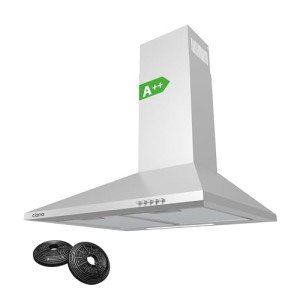
Wall-mounted hoods are favored for their versatility and variety of designs. They can be found in traditional chimney designs and contemporary designs, supplying options for both modern cooker Hood (www.eldeninabinett.top) and timeless kitchens. These systems need strong setup on a wall, making them suitable for most kitchen designs.
Island Hoods
Perfect for kitchens with island cooktops, these hoods draw attention and can act as a declaration piece. They need mindful setup as they are suspended from the ceiling. Nevertheless, their efficient ventilation frequently validates the installation complexity.
Under-Cabinet Hoods
For kitchens with minimal area, under-cabinet hoods are an outstanding option. They install straight underneath existing cabinets, making them extremely space-efficient. While they tend to be affordable, their ventilation power might be limited compared to other types.
Downdraft Hoods
A trendy option for kitchens where visual appeals is vital, downdraft hoods provide the flexibility to turn up just when needed. They are best suited for particular cooktops that are created to accommodate them. Nevertheless, their efficiency may not be sufficient for heavy cooking applications.
Built-In Hoods
Built-in hoods provide a streamlined and integrated appearance by being hidden within cabinetry. These systems can be tailored to fit the kitchen design, providing a polished look. Nevertheless, they might feature higher setup expenses due to their customized nature.
Insert Hoods
These hoods suit cabinets or custom units, enabling a balance in between performance and look. They provide effective suction and can be created to match kitchen visual appeals, but their setup can be more complex.
Expert Hoods
Typically discovered in industrial kitchens, professional hoods are developed for extensive cooking. They have superior ventilation capabilities, making them perfect for enthusiastic home chefs. Nevertheless, their size and rate point can be limitations for property use.
Key Considerations When Choosing a Cooker Hood
When picking a cooker hood, numerous factors ought to enter play:
- Size: The hood should be at least as broad as the cooking surface.
- CFM (Cubic Feet per Minute): This determines the airflow capability. The higher the CFM, the more air it can move and the better it can ventilate.
- Noise Level: Check for the sound scores measured in sones– the lower the value, the quieter the hood.
- Installation: Consider whether you want an expert installation and the complexity involved.
- Filtration Type: Decide between ducted (vented) and ductless (recirculating) alternatives based on your kitchen requirements.
FAQs about Cooker Hoods
Q1: Do I need a cooker hood if I have a window?A: While a
window can provide natural ventilation, a cooker hood considerably enhances air quality by getting rid of smoke, grease, and odors, which a window alone may not achieve efficiently.
Q2: How often ought to I clean my cooker hood?A: To maintain maximum efficiency, it’s suggested to clean up the filters monthly, while deep cleansing ought to take place every 6 to 12 months depending upon usage. Q3: Are cooker hoods costly to run?A: Energy intake differs by model; however, modern cooker hoods are developed to
be energy effective, and utilizing them intermittently can lessen expenses. Q4: Can I set up a cooker hood myself?A: While it is possible for those with DIY experience, professional installation is suggested to guarantee safety and correct function. Q5: What is the life-span of a cooker hood?A: The typical life expectancy can range from 5 to 15 years, depending on the design and upkeep.
Regular cleansing and care can extend the life expectancy substantially. Picking the right cooker hood requires mindful factor to consider of various types, functionalities, and specific kitchen needs. From wall-mounted choices to professional-grade models, understanding the differences and advantages of each type can help with a notified decision. A good cooker hood not only boosts the aesthetic appeal of the kitchen but likewise adds to a much healthier cooking environment. With the best selection, anyone can enjoy the complete advantages of their kitchen area while cooking up cooking delights.