

Kitchen Hood Extractor Fan
FollowOverview
-
Founded Date June 11, 1999
-
Sectors Water & Waste Treatment
-
Posted Jobs 0
-
Viewed 5
Company Description
Ten Cooker Fans That Really Help You Live Better
The Essential Guide to Cooker Fans: Enhancing Efficiency in Your Kitchen
In the culinary world, having the right tools can make all the difference in the kitchen experience. Amongst these tools, cooker fans, likewise called cooker hoods or range hoods, play a pivotal role in maintaining a clean and comfy cooking environment. This post looks into the significance of cooker fans, their types, performances, benefits, installation, and upkeep.
What is a Cooker Fan?
A cooker fan is a kitchen home appliance developed to assist eliminate smoke, steam, and smells produced while cooking. Positioned above the cooktop, it catches airborne particles and expels them outside or filters and recirculates the air back into the kitchen, depending upon the system type.
Types of Cooker Fans
| Type | Description | Perfect Use |
|---|---|---|
| Wall-Mounted | Normally set up directly on the wall above the cooktop. | No islands or area problems. |
| Under-Cabinet | Mounted underneath kitchen cabinets, efficiently making use of space. | Small kitchens. |
| Island | Suspended above an island cooktop for a strong aesthetic statement. | Open concept kitchens. |
| Downdraft | Integrated into the cooktop, rises during operation, and retracts when not in use. | Minimalist styles. |
| Place | Designed to fit inside kitchen cabinetry or custom-made hoods. | Custom-made setups. |
How Cooker Fans Work
Cooker fans typically operate in two ways: ducted and ductless systems.
-
Ducted Systems: These fans extract air through a duct and expel it outside. This approach is typically considered more efficient since it completely removes odors, smoke, and heat from the cooking location.
-
Ductless Systems: These fans use a filtering system to purify the air before recirculating it back into the kitchen. While they are much easier to install than ducted systems, they might not eliminate all odors as effectively.
Secret Features of Cooker Fans
- Suction Power: Measured in cubic feet per minute (CFM), this suggests how efficiently a cooker fan can extract air. The higher the CFM, the more powerful the fan.
- Sound Level: Measured in sones, many modern fans operate quietly, enabling for comfy cooking environments.
- Filters: Most fans include metal or charcoal filters to capture grease and smells. Metal filters are washable and multiple-use, while charcoal filters typically require replacement.
- Lighting: Integrated lighting provides much better presence while cooking and enhances ambiance.
Advantages of Using Cooker Fans
Making use of cooker fans offers numerous benefits:
-
Improved Air Quality: By removing smoke and smells, these fans make sure that cooking air remains tidy and free from pollutants.
-
Improved Comfort: Cooker fans help preserve a comfortable kitchen temperature level by getting rid of steam and heat produced during cooking.
-
Fire Safety: By effectively drawing out flammable fumes from the cooking process, cooker fans play an important function in kitchen fire avoidance.
-
Minimized Grease Buildup: Proper ventilation prevents grease from accumulating on surfaces, thus reducing the need for regular cleaning.
-
Visual Appeal: Cooker fans come in numerous styles that can boost the total look of your kitchen.
Popular Cooker Fan Models
| Design | Type | CFM | Sound Level (Sones) | Price Range |
|---|---|---|---|---|
| Broan-NuTone | Under-Cabinet | 300 | 2.0 | ₤ 100 – ₤ 300 |
| ZLINE | Island | 400 | 4.0 | ₤ 500 – ₤ 1,200 |
| Bosch | Wall-Mounted | 500 | 2.5 | ₤ 800 – ₤ 1,800 |
| Whirlpool | Ductless | 300 | 1.5 | ₤ 150 – ₤ 400 |
| Faber | Downdraft | 700 | 5.0 | ₤ 1,000 – ₤ 2,500 |
Setting Up a Cooker Fan
While numerous property owners might go with professional installation, it is essential to comprehend the standard setup procedure:
- Choosing the Right Location: Position the fan straight above the cooktop, preferably 24-30 inches high for maximum performance.
- Electrical Connections: Ensure proper circuitry for the fan and the switch, following local electrical codes.
- Ventilation: For ducted designs, guarantee appropriate ductwork installation to path fumes outside.
- Mounting: Securely install the fan to the wall or under cabinets using the supplied brackets and screws.
Upkeep Tips
To guarantee your cooker fan works effectively, regular maintenance is necessary:
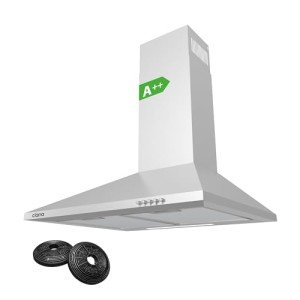
- Clean Filters: Remove and tidy metal filters each month and change charcoal filters according to the maker’s guidelines.
- Look for Blockages: Inspect and clear ductwork of any debris or obstructions every few months to keep air flow.
- Dust and Wipe Down: Regularly dust and clean down the outside of the cooker fan to keep it looking brand-new and working efficiently.
- Listen for Unusual Noises: If the fan runs abnormally loudly, it may suggest an issue that needs attention.
Regularly Asked Questions (FAQ)
Q1: How do I know what size cooker fan I need?
A: Choose a fan with a CFM ranking that matches your cooking habits. For basic cooking requirements, 300 CFM is generally sufficient. For heavy cooking (barbecuing, frying), select fans rated at 400 CFM or above.
Q2: Can a cooker fan be used with an induction cooktop?
A: Yes, cooker fans can be efficiently utilized with induction cooktops. Nevertheless, make certain to choose a design that accommodates the cooktop’s style and venting requirements.
Q3: Are ductless cooker fans efficient?
A: Ductless cooker fans can filter and recirculate air, however they might not remove all odors as effectively as ducted systems. They are convenient for kitchens without external venting choices.
Q4: How typically should I change the filters?
A: Metal filters can usually be cleaned and reused, but charcoal filters ought to be replaced every 6 to 12 months, depending upon use.
Q5: What is the very best position for a cooker fan?
A: The ideal position for a cooker fan is 24-30 inches above the cooking surface area to effectively catch smoke and steam without blocking your cooking area.
Cooker fans are essential appliances in modern kitchens, offering a variety of designs, functions, and advantages. They contribute to enhanced air quality and kitchen comfort, making cooking a more satisfying experience. When choosing and maintaining a cooker fan, consider your particular requirements and preferences to guarantee optimal performance. By understanding their significance, property owners can enhance their cooking areas while enjoying the myriad benefits cooker fans offer.