

Metal Wheelchair Ramps
FollowOverview
-
Founded Date May 28, 1910
-
Sectors Photography / Videography
-
Posted Jobs 0
-
Viewed 4
Company Description
5 Qualities That People Are Looking For In Every Ramps For Wheelchairs
The Ultimate Guide to Removable Ramps for Wheelchairs
As society relocations towards inclusivity, the requirement for available living areas has become more noticable. For people who rely on wheelchairs, removable ramps serve as critical tools to navigate various environments. This thorough guide checks out the significance of removable ramps, their advantages, types, and often asked questions, all presented with clearness to ensure that anyone, no matter their familiarity with the topic, can comprehend their value.
Comprehending Removable Ramps
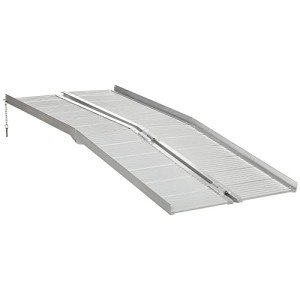
Removable ramps are portable, lightweight structures developed to help wheelchair users in overcoming challenges such as stairs, curbs, and entrances. Unlike irreversible ramps, these can be removed and transferred quickly, making them perfect for temporary usage in homes, public places, or events.
Key Features of Removable Wheelchair Ramps
| Function | Description |
|---|---|
| Material | Frequently made of aluminum, plastic, or wood, guaranteeing durability while being lightweight. |
| Mobility | Easy to move and save, making them ideal for different uses and places. |
| Adjustability | Some models can be changed in height or length to accommodate various barriers. |
| Weight Capacity | Many ramps can support weights differing from 300 to 800 pounds, accommodating a wide variety of wheelchairs and users. |
Benefits of Using Removable Ramps
The advantages of removable wheelchair ramps extend far beyond simple ease of access. Here are numerous essential advantages:
-
Flexibility: Removable ramps can be used in numerous areas, whether it be at home, work, or during getaways.
-
Economical: Investing in removable ramps can be cheaper than building permanent ramps, specifically for tenants who can not customize their homes.
-
Safety: They offer a safe option for wheelchair users to navigate irregular surfaces, lowering the risk of mishaps or falls.
-
Range of Options: Available in different sizes, weights, and products, enabling users to discover the ideal suitable for their needs.
-
Storage: When not in use, removable ramps can be quickly kept, releasing up space.
Kinds Of Removable Ramps
Here’s a breakdown of the most common kinds of removable ramps available:
| Type | Description | Perfect Use Case |
|---|---|---|
| Folding Ramps | Compact, flexible ramps that can be folded for storage. | Perfect for vehicles, home use, and travel. |
| Telescoping Ramps | Adjustable ramps that can be extended or reduced. | Suitable for differing heights and limits. |
| Solid Ramps | Non-folding, tough ramps that provide a constant surface area. | Best for irreversible setups in temporary environments. |
| Limit Ramps | Short, often lightweight ramps created for doorways. | Perfect for browsing curbs or doorsteps. |
Selecting the Right Removable Ramp
When selecting a removable ramp, several factors ought to be taken into account, including:
-
Weight Capacity: Ensure the ramp can support both the user and their wheelchair.
-
Length and Width: Measure the height of the action or limit and pick a ramp that provides a proper slope.
-
Material: Decide in between choices like aluminum for mobility or a more solid product for stability.
-
Mobility: Evaluate how far you will need to transport the ramp and choose one that fits your requirements.
-
Storage: Consider the space readily available for keeping the ramp when not in use.
Additional Considerations
Security Features
When buying removable ramps, safety needs to be a top concern. Features to think about include:
-
Non-Slip Surface: Ensures traction for wheelchair wheels during usage, specifically in damp conditions.
-
Side Guards: Prevents the wheelchair from rolling off the edge.
-
Resilience: Look for items developed to hold up against outside conditions if required.
Setup
Although removable ramps are created for ease of usage, some may require minimal assembly. Always examine the manufacturer’s guidelines before usage.
Frequently Asked Questions (FAQs)
1. Are removable ramps expensive?
Costs can vary considerably depending upon the size, product, and brand. Removable ramps might vary from ₤ 100 to ₤ 700, making them a budget-friendly alternative compared to customized, long-term ramps.
2. How do I preserve removable ramps?
Keep ramps clean and free from debris. Regularly look for signs of wear or damage, especially if used outdoors, considering that weather can affect stability.
3. Can a single person set up a removable ramp?
Yes, a lot of removable ramps are lightweight and developed for simple setup by a bachelor. Nevertheless, it is recommended to have help when raising heavier models.
4. Will a removable ramp work for my wheelchair?
The majority of removable ramps are compatible with standard wheelchairs and scooters. Always confirm the weight capacity and measurements to make sure compatibility.
5. Are there guidelines concerning ramps in public spaces?
Yes, the Americans with Disabilities Act (ADA) outlines specific guidelines for ease of access, consisting of ramp specs. If you plan to utilize ramps in public locations, ensure they adhere to local regulations.
Removable ramps for wheelchairs are not simply functional tools; they represent a society striving for availability and inclusivity. From improving mobility to providing security and convenience, the significance of these ramps can not be overstated. As the marketplace continues to evolve, users will discover much more ingenious solutions customized to their needs, ensuring that everyone can browse their world with confidence and ease.
When choosing a removable ramp, remember to assess individual requirements and seek advice from standards to take full advantage of safety and performance. The best ramp can open doors– literally and figuratively– permitting users to experience flexibility and self-reliance in their day-to-day lives.