

Modern Cooker Hood
FollowOverview
-
Founded Date June 20, 2009
-
Sectors Education Training
-
Posted Jobs 0
-
Viewed 3
Company Description
See What Cooker Extraction Hoods Tricks The Celebs Are Making Use Of
The Importance of Cooker Extraction Hoods: A Comprehensive Guide
In modern kitchens, the central function of a cooker extraction hood can not be overstated. As cooking strategies advance and kitchen style evolves, these home appliances have become important in preserving a tidy and safe cooking environment. Cooker extraction hoods, typically called range hoods or kitchen hoods, serve multiple functions, from expelling smoke and smells to improving air quality. This article intends to inform readers about different aspects of cooker extraction hoods, including their types, functionalities, benefits, and maintenance ideas.
What is a Cooker Extraction Hood?
A cooker extraction hood is a mechanical gadget installed above cooktops or varieties developed to draw out smoke, fumes, heat, and odor produced throughout cooking. These hoods can either be ducted, venting the air outside, or ductless, filtering and recirculating the air back into the kitchen.
Why Are Cooker Extraction Hoods Important?
- Air Quality: They assist in maintaining good air quality by getting rid of cooking contaminants.
- Odor Control: They get rid of unpleasant odors that might linger after cooking.
- Wetness Reduction: They reduce humidity levels in the kitchen, avoiding mold development.
- Safety: They minimize the threat of fire triggered by grease accumulation.
- Convenience: They boost the cooking experience by permitting users to work in an enjoyable atmosphere.
Types of Cooker Extraction Hoods
Choosing the best cooker extraction hood depends upon a range of aspects, consisting of kitchen size, cooking habits, and individual choices. Here are the primary types:
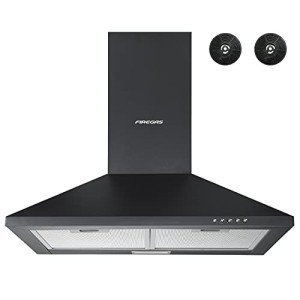
| Type | Description | Best for |
|---|---|---|
| Wall-Mounted | Set up against a kitchen wall, frequently above the range. | Basic kitchens |
| Under-Cabinet | Installed below kitchen cabinets, saving space. | Smaller sized kitchens |
| Island Hoods | Installed above kitchen islands and generally suspended. | Open-concept kitchens |
| Downdraft Hoods | Retractable hoods that turn up from the counter when needed. | Trendy kitchens |
| Professional Hoods | Heavy-duty hoods designed for extensive cooking. | Premium kitchens |
| Ductless or Recirculating | Filters air and recirculates it back into the kitchen. | Residences doing not have ductwork |
Features to Consider
When choosing a cooker extraction hood, consider the following functions:
-
CFM Rating: Higher Cubic Feet per Minute (CFM) scores suggest more powerful airflow. A CFM of 300-600 is generally enough for the majority of home kitchens, while professional designs may surpass 900 CFM.
-
Noise Levels: Measured in sones, quieter hoods are around 1-3 sones. Consider the noise level based upon your cooking practices.
-
Fan Speed: Multiple speed settings allow users greater versatility based upon cooking needs.
-
Lighting: Integrated lighting can enhance the cooking experience while offering exposure over your cooktop.
-
Filters: Aluminum mesh or baffle filters work for grease and smell removal. Some hoods also feature charcoal filters for ductless alternatives.
Advantages of Cooker Extraction Hoods
Here’s a list of advantages connected with having a cooker extraction hood:
- Enhanced air quality
- Reduction in cooking odors
- Reduced humidity levels
- Reduction of grease build-up
- Enhanced security
- Increase in kitchen aesthetics
- Added home worth
Setup and Maintenance
Installation Process
The installation of cooker extraction hoods may require professional assistance, specifically for ducted models. Here are some general actions:
- Measure the Kitchen: Ensure the appropriate size of the hood for your cooktop.
- Select the Location: Ideally, the hood should be positioned 20-30 inches above the cooking surface.
- Ducting (if suitable): Plan the ducting route for ideal air flow outside the home.
- Secure the Hood: Follow the manufacturer’s guidelines for safe installing.
- Link Power: Ensure electrical connections adhere to local codes.
Upkeep Tips
- Routine Cleaning: Clean filters month-to-month to avoid grease build-up.
- Change Filters: Change charcoal filters according to the maker’s suggestions.
- Inspect Ducts: Ensure ducts are clear and free of blockages to maintain airflow.
- Examine Lights: Replace bulbs as required to guarantee sufficient lighting throughout cooking.
Frequently Asked Questions (FAQ)
1. How frequently should I clean my cooker extraction hood?
It is advised to clean up the filters of your cooker extraction hood at least once a month.
2. Can I install a cooker extraction hood myself?
While it is possible to install it yourself, specifically if it’s a ductless model, working with an expert is suggested for ducted hoods to guarantee safety and compliance with local structure codes.
3. What is the perfect CFM rating for a home kitchen?
A CFM in between 300 and 600 is generally sufficient for most home kitchens; however, you might require a greater score for expert cooking designs.
4. Are ductless hoods as efficient as ducted hoods?
Ducted hoods are typically more reliable at getting rid of heat, smoke, and smells, as they vent air outside. Ductless hoods can be reliable but need routine filter changes and might not get rid of heat as well.
5. The length of time will my cooker extraction hood last?
With correct maintenance, a quality cooker extraction hood can last 10-15 years.
In conclusion, cooker extraction hoods are an important addition to any kitchen, providing advantages that improve both the cooking experience and overall air quality. With various types readily available, customized features, and consistent upkeep, homeowners can choose the perfect hood to satisfy their cooking requirements while promoting a healthier home environment.