

Pushchairs
FollowOverview
-
Founded Date March 9, 1908
-
Sectors General Trading Company
-
Posted Jobs 0
-
Viewed 10
Company Description
30 Inspirational Quotes About Pushchairs
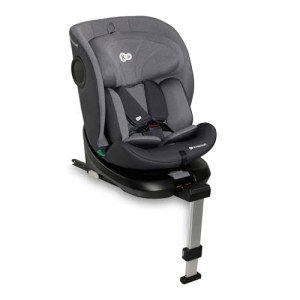
Strollers and Pushchairs: The Ultimate Guide for Parents
Picking the best stroller or pushchair is one of the most important decisions new parents will make. With a variety of alternatives offered, comprehending the distinctions and functions can substantially affect the experience of both parents and children. This comprehensive guide aims to illuminate the distinctions in between both, the factors to consider when acquiring, and answers to regularly asked questions.
Comprehending Strollers and Pushchairs
Strollers and pushchairs are often utilized interchangeably, but subtle differences set them apart. A stroller is generally designed for babies and toddlers, offering a more flexible technique with added functions for convenience and safety. On the other hand, pushchairs are usually targeted at older babies who can sit up unaided and tend to be more lightweight and portable.
Key Differences Between Strollers and Pushchairs
| Function | Stroller | Pushchair |
|---|---|---|
| Age Range | Newborn to young child | Typically for 6 months to 3 years |
| Weight | Generally heavier due to extra functions | Lighter and often much easier to carry |
| Recline Position | Can typically recline completely for babies | Restricted recline; typically upright |
| Storage Space | More storage compartments and devices readily available | Very little storage, often simply a small basket |
| Comfort | Created with more padding and assistance | Less padding, lighter frame for ease of usage |
| Foldability | Might have intricate folding systems | Frequently created to fold easily and compactly |
Aspects to Consider When Buying a Stroller or Pushchair
When picking in between a stroller or pushchair, a number of factors can shape your decision. Here are some necessary considerations:
1. Safety Features
- Harness system (5-point is the most safe)
- Stability and strength of the frame
- Brakes that lock securely
2. Convenience
- Cushioning and assistance for the kid
- Adjustable seat positions
- Ventilation for hot weather
3. Size and Weight
- How simple is it to carry?
- Will it fit in your vehicle?
- Does it use up too much storage area in your home?
4. Versatility
- Is it adaptable for car seats or carrycots?
- Can it manage different surfaces (city vs rural)?
5. Expense
- What is your budget plan?
- Does the stroller/pushchair deal worth for its features?
6. Relieve of Use
- How quickly can it be folded and unfolded?
- Is it simple to navigate through crowds or tight spaces?
7. Resilience
- What materials are utilized?
- The length of time is the warranty?
8. Brand Reputation
- Look for brands understood for producing quality items.
- Check out evaluations from other parents.
The Types of Strollers and Pushchairs
Strollers and pushchairs come in different designs, each dealing with specific requirements. Here’s an introduction:
1. Basic Strollers
- Heavy-duty and Prams twin well-padded.
- Suitable for daily usage.
2. Lightweight Strollers
- Extremely portable and easy to bring.
- Suitable for travel.
3. Jogging Strollers
- Developed for active moms and dads.
- Can manage rugged surfaces.
4. Convertible Strollers
- Can adapt from a single to double stroller.
- Flexible and grows with the household.
5. Travel Systems
- Consists of a baby automobile seat and a stroller.
- Offers seamless transitions from car to stroller.
6. Umbrella Strollers
- Exceptionally portable and inexpensive.
- Best for quick trips and older babies.
| Kind of Stroller | Pros | Cons |
|---|---|---|
| Standard | Strong, comfy | Heavier and bulkier |
| Light-weight | Easy to bring | Limited features |
| Jogging | Great for workout and outdoor use | May not appropriate for babies |
| Convertible | Adaptable for growing households | Bulkier than standard strollers |
| Travel System | Convenience of combined necessities | Can be costly |
| Umbrella | Very portable | Less resilient |
FAQs About Strollers and Pushchairs
Q1: At what age can a baby use a stroller?
The majority of strollers appropriate for use from birth if they totally recline. Ensure to examine producer guidelines, as some may just accommodate babies over six months.
Q2: How do I clean my stroller or pushchair?
Many strollers have removable and washable fabrics. Usage mild soap and water for the frame and inspect the fabric labels for particular cleaning guidelines.
Q3: Can I utilize a stroller on different surfaces?
Yes, particular types, like jogging strollers or all-terrain strollers, are particularly developed for uneven surfaces. However, some light-weight designs are not appropriate for rough terrain.
Q4: How long can I anticipate my stroller to last?
Quality strollers can last numerous years, frequently until the kid is around 4 to 5 years of ages, depending upon use and care.
Q5: Are strollers safe for overnight sleeping?
While some strollers use flat recline positions that are suitable for baby sleep, it’s critical to follow security standards and keep track of the child while in the stroller.
Picking the right stroller or pushchair is a decision that extends beyond simple choice; it enhances the parenting experience and ensures the security and comfort of the child. By understanding the distinctions, examining numerous aspects, and exploring the types offered, parents can make an informed choice that accommodates their way of life and fulfills the needs of their growing household. Keep in mind to always prioritize safety and comfort above everything!