

Shipping Container Conversion
FollowOverview
-
Founded Date December 5, 2010
-
Sectors Content Creator
-
Posted Jobs 0
-
Viewed 26
Company Description
Why Shipping Container Housing Isn’t A Topic That People Are Interested In Shipping Container Housing
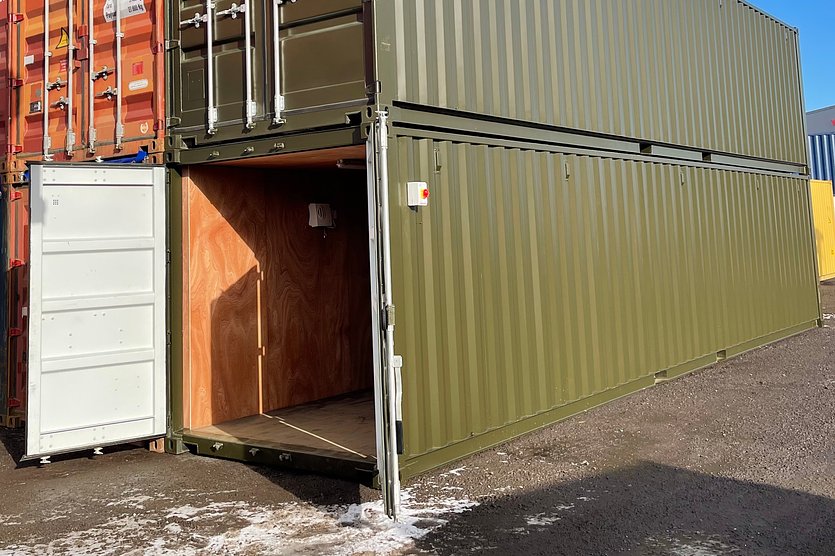
The Rise of Shipping Container Housing: An Innovative Solution for Modern Living
As metropolitan populations continue to swell and traditional housing become increasingly unaffordable, imaginative alternative solutions are gaining traction. One of the most ingenious solutions is shipping container home Design housing. This technique repurposes old shipping containers into practical living areas, striking a balance in between price, sustainability, and special visual appeals. In this article, we will explore the benefits of shipping container homes, how they compare to traditional housing, and offer answers to often asked concerns.
The Benefits of Shipping Container Housing
Shipping container homes provide a number of benefits, which can be summarized in the table below:
| Benefit | Description |
|---|---|
| Affordability | Lower construction costs due to the accessibility of used containers. |
| Sustainability | Environment-friendly alternative, reducing waste by repurposing containers. |
| Toughness | Strong steel structure makes them resistant to numerous ecological elements. |
| Modular Flexibility | Easily expandable and customizable designs as they can be stacked or integrated. |
| Quick Construction | Minimized structure time compared to conventional homes. |
| Portability | Can be transferred if necessary; perfect for temporary living scenarios. |
| Unique Aesthetic | Distinctive industrial look that can be customized with imaginative styles. |
Affordability
Among the most compelling reasons to consider shipping container housing is its cost-effectiveness. A used shipping container can cost anywhere from ₤ 1,500 to ₤ 5,000, depending on its condition and location. This is substantially lower than traditional housing, making it an attractive alternative for novice buyers and those on a spending plan.
Sustainability
With an increasing emphasis on sustainability, shipping container homes align perfectly with environment-friendly practices. By repurposing containers that might otherwise sit unused or become scrap metal, property owners can decrease their carbon footprint. Furthermore, lots of shipping container homes use green technologies such as photovoltaic panels and rainwater harvesting systems.
Resilience
Shipping containers are built to withstand harsh weather condition conditions and heavy loads during transport. Their steel structure is resistant to termites, mold, and fire, making them a safe and lasting alternative for housing. This toughness translates into lower upkeep expenses in time.
Modular Flexibility
Shipping container homes are versatile in design. Property owners can choose to stack containers or link them side-by-side, developing tailored spaces suited to their requirements. This modular approach enables simple expansion as households grow.
Quick Construction
Traditional homes can take numerous months or perhaps years to build, however shipping container homes can often be finished in just a few weeks, thanks to their pre-fabricated nature. This fast construction means that people can move into their homes much faster.
Portability
Unlike traditional homes that are fixed to a place, shipping container homes can be moved if needed. This makes them an enticing option for those who want versatility or plan to take a trip.
Distinct Aesthetic
The commercial appearance of shipping containers lends itself to unique architectural styles that stand out from standard homes. With correct insulation and finishing touches, these homes can be changed into elegant, contemporary living areas.
Comparing Shipping Container Homes and Traditional Homes
When examining housing options, it’s important to consider numerous aspects. The table listed below highlights some crucial differences in between shipping container homes and traditional homes:
| Characteristic | Shipping Container Homes | Conventional Homes |
|---|---|---|
| Cost | Normally lower, starting around ₤ 30,000 | Higher, often exceeding ₤ 200,000 |
| Construction Time | Fast, weeks to a couple of months | Lengthy, several months to years |
| Toughness | Extremely resilient; resistant to numerous dangers | Resilient, but more prone to weathering |
| Design Flexibility | Highly adjustable and modular | Traditional layouts, restricted in modification |
| Environmental Impact | Environment-friendly; minimized waste | Environmental impact varies based upon materials |
| Zoning and Regulations | May face zoning challenges due to non-traditional status | Normally follows established structure codes |
Regularly Asked Questions (FAQ)
1. Can I fund a shipping container home?Yes, numerous
loan providers are beginning to offer funding alternatives for shipping container homes. Nevertheless, it’s essential to check local regulations and make sure that your home fulfills building codes to assist in the financing process.
2. Are shipping containers insulated?Shipping containers
are not insulated by default. Adequate insulation, such as spray foam, rigid foam board, or traditional insulation products, is important for temperature control and energy performance.
3. How do I find a shipping container home builder?Research regional home builders specializing in container homes and inspect evaluations or case research studies of their previous tasks. Networking with container home communities online can likewise supply recommendations. 4. Do I need a license to construct a shipping container home?Most areas require structure authorizations, so it’s important to consult your regional zoning and structure department before starting construction. 5. Are shipping containers safe to live in?Absolutely! When correctly modified and fitted with required systems(plumbing
, electrical, and HVAC), shipping container homes can be simply as safe as conventional homes. Shipping container housing is an innovative response to contemporary housing obstacles. By using price, sustainability, resilience, and special design chances, this method of construction is acquiring interest from numerous demographics– particularly millennials and those seeking a minimalistic lifestyle. As more people and households explore this alternative living alternative, it is clear that shipping container homes represent a prospective option to modern housing requirements.