

Soffit Installation
FollowOverview
-
Founded Date March 24, 1975
-
Sectors Engineering
-
Posted Jobs 0
-
Viewed 27
Company Description
Three Greatest Moments In Fascias History
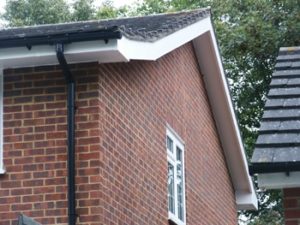
Understanding Timber Fascias: A Comprehensive Guide
Timber fascias are a necessary element of any roof structure, frequently neglected but vital to both aesthetic appeal and practical stability. Comprising horizontal boards installed along the lower edge of the roof, they sit above the eaves and play a substantial role in securing the roof components from water damage and decay. In this blog site post, we will check out the various elements of timber fascias, including their materials, installation techniques, advantages, and maintenance guidelines, as well as address regularly asked questions.
What are Timber Fascias?
Timber fascias serve a dual function: they provide a completed seek to the structure while also serving as a barrier versus ecological aspects. Furthermore, they can support the gutter system and avoid wetness from going into the roof structure.
Table 1: Timber Fascias Overview
| Feature | Description |
|---|---|
| Material Types | Softwood (Pine, Fir), Hardwood (Oak, Mahogany) |
| Dimensions | Numerous widths and thicknesses; usually 150mm – 300mm large, 18mm – 25mm thick |
| Treatment Options | Neglected, Pressure-treated, or Pre-painted |
| Common Lifespan | 10-50 years depending upon maintenance and treatment |
Benefits of Using Timber Fascias
Timber fascias offer a series of benefits that make them a popular option for both domestic and business structures. Here are some crucial benefits:
-
Aesthetic Appeal: Timber offers a natural and warm look that boosts the overall look of a structure. It can be painted or stained to match the external color design of the structure.
-
Toughness: When appropriately dealt with, timber fascias can stand up to the components for several years. Pressure-treated wood is especially resistant to rot Fascia And Soffit Upgrades insect infestations.
-
Acoustic Insulation: Wood possesses natural acoustic homes that can assist dampen external sound, supplying a quieter indoor environment.
-
Adaptability: Timber fascias can be cut and styled in different methods, depending on style requirements and individual choices.
-
Sustainability: When sourced from well-managed forests, timber is an eco-friendly resource and has a lower carbon footprint compared to synthetic materials.
Table 2: Comparison of Timber Fascia Materials
| Product | Pros | Cons | Best Use |
|---|---|---|---|
| Softwood | Economical; lightweight | Prone to warping; less long lasting | Affordable applications |
| Hardwood | High durability; rich appearance | More pricey; heavier | High-end jobs or locations of high wear |
| Treated Wood | Resistant to decay and bugs | Chemical treatment might be undesirable | Environments with high wetness |
Installation of Timber Fascias
Proper installation is essential to the performance and longevity of timber fascias. Here are some important steps involved in the installation process:
-
Measurement: Accurate measurements should be taken along the roofline to figure out the proper lengths of timber needed.
-
Preparation: The surface where the fascias will be set up must be free from rot or decay. If existing fascias are being changed, they need to be removed carefully.
-
Cutting and Shaping: Cut the timber based on measurements. Any wanted profiles or decorative elements ought to be achieved at this stage.
-
Protecting the Fascia And Gutter Replacement: Use galvanized or stainless-steel nails/screws to secure the timber. It’s important to leave expansion spaces when attaching.
-
Ending up: Apply a protective surface to improve durability. Alternatives consist of paint, varnish, or a wood preservative, depending on the wanted aesthetic.
Table 3: Installation Considerations
| Factor | Considerations |
|---|---|
| Fasteners | Use corrosion-resistant fasteners |
| Weatherproofing | Guarantee all joints are sealed |
| Gutter Support | Guarantee Fascia And Soffit Experts boards are durable enough for gutter installation |
| Growth Gaps | Permit space for thermal growth |
Maintenance of Timber Fascias
Routine maintenance can substantially extend the lifespan of timber fascias. Here are some standards:
-
Inspection: Conduct regular visual examinations to determine any indications of damage, such as rot, discoloration, or insect activity.
-
Cleaning up: Clean the fascias regularly using moderate soap and water, preventing harsh chemicals that may harm the finish.
-
Repainting/Staining: Reapply paint or spots every few years to protect the wood from moisture and UV damage.
-
Sealing: Apply a wood preservative to areas prone to moisture and bug exposure.
-
Repair/Replace: Promptly repair or change any damaged areas to prevent more deterioration.
Table 4: Maintenance Schedule
| Job | Frequency |
|---|---|
| Visual Inspection | Every 6 months |
| Cleaning | Annually |
| Refinishing | Every 3-5 years |
| In-depth Assessment | Every 5-10 years |
Frequently Asked Questions (FAQ)
1. What is the expense of setting up timber fascias?
- The cost varies depending on the kind of wood, the size of the installation, and labor costs. Usually, house owners can anticipate to invest ₤ 20 to ₤ 50 per linear foot.
2. How do I know if my timber fascias need replacing?
- Indications consist of extensive rot, warping, peeling paint, and pest damage. If the fascias feel soft or crumble upon touch, Fascia Replacement is recommended.
3. Can I paint timber fascias?
- Yes, painting timber fascias is common. It enables modification and provides an additional layer of protection against the weather condition.
4. Is it much better to utilize treated or neglected timber Upvc Fascias?
- Treated timber is suggested for areas exposed to wetness and insects, as it provides superior toughness.
5. For how long do timber fascias last?
- With correct maintenance, timber fascias can last anywhere from 10 to 50 years, depending on the wood type and ecological conditions.
Timber fascias are an essential part of roof systems that not just improve the visual appeal of a structure but also offer important security against the components. With different material choices, efficient installation strategies, and correct maintenance routines, timber fascias can serve property owners and home builders effectively for years. Whether you are considering a brand-new construct or reconditioning an existing home, investing in quality timber fascias is a choice that pays off, both in type and function.