

Tots And Cots
FollowOverview
-
Founded Date March 21, 1912
-
Sectors Food & Beverage
-
Posted Jobs 0
-
Viewed 27
Company Description
Is There A Place To Research Baby Cot Online
Navigating the World of Baby Cots: A Comprehensive Guide
Picking the ideal baby cot is one of the most vital choices expectant moms and dads will make. This piece of furnishings is not simply a place for a baby to sleep; it is a significant aspect of their safety, convenience, and early advancement. Provided the welfare of their little ones, moms and dads are frequently overwhelmed with the wide range of alternatives readily available. In this extensive guide, we’ll explore the important functions, types, safety standards, and maintenance suggestions for baby cots.
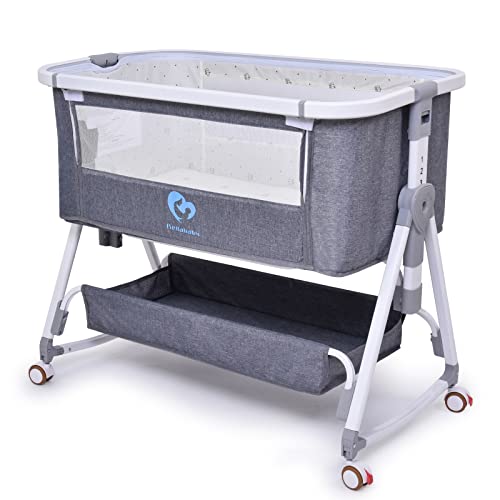
What is a Baby Cot?
A baby cot is a small bed developed specifically for babies and young children that ensures both comfort and safety while they sleep. They can be found in various sizes, styles, and materials, dealing with moms and dads’ varied preferences and home environments. While the main function of a cot is to provide a safe place for a baby to sleep, modern designs likewise stress aesthetics, flexibility, and sustainability.
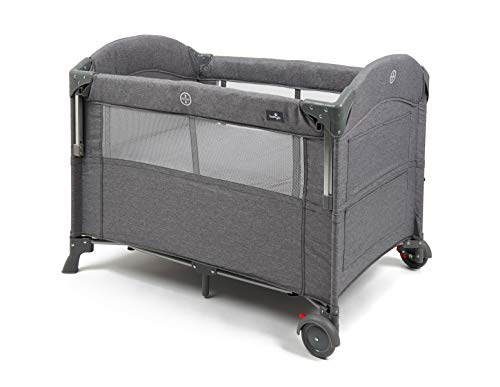
Types of Baby Cots
There are several kinds of baby cots available on the market today. Each type serves various needs and choices, as described in the table listed below:
| Type of Cot | Description | Pros | Cons |
|---|---|---|---|
| Requirement Cot | A traditional crib, normally made from wood or resilient materials. | Durable, ageless design, and different styles available. | Can take up substantial space. |
| Convertible Cot | A cot that can convert into a toddler bed, daybed, or even a full-sized bed. | Long-lasting investment; grows with the child. | Higher preliminary cost. |
| Portable Cot | Light-weight, easily foldable for travel or storage functions. | Suitable for travel or limited spaces. | May lack sturdiness compared to basic cots. |
| Co-Sleeper | A sidecar bed that connects to the parent’s bed, allowing close distance. | Promotes bonding; easy gain access to for nighttime feedings. | Fewer sleeping alternatives as the baby grows. |
| Moses Basket | A small basket, typically made from wicker, for newborns to oversleep. | Light-weight and portable; visually pleasing. | Really short lifespan (just for babies). |
Safety Features to Consider
When it comes to baby cots, safety should be the leading concern. Moms and dads ought to ensure that their selected cot complies with the following security features:
-
Slat Spacing: The spacing between the slats should disappear than 2-3 inches apart to avoid the child’s head from ending up being trapped.
-
Sturdy Construction: Parents must search for strong, long lasting wood or heavy-duty metal, guaranteeing the cot doesn’t wobble or squeak.
-
Non-toxic Finishes: Opt for cots made from non-toxic materials and surfaces to prevent damaging chemicals.
-
Adjustable Mattress Heights: Cots with adjustable mattress heights permit simple access to the baby and can be lowered as the child grows and starts to stand.
-
No Drop-Side Designs: Ensure that the cot does not have a drop-side feature, as these have actually been connected to safety threats.
-
Proper Mattress Fit: The bed mattress needs to fit comfortably within the cot frame, with no gaps to prevent entrapment.
Upkeep Tips for Baby Cots
Keeping the cot is vital for making sure the baby’s security and lengthening its life expectancy. Here’s a list of maintenance pointers:
-
Regular Inspections: Routinely examine for any loose screws or damage to the cot structure and change or fix as necessary.
-
Tidiness: Wipe down the cot with moderate soap and water to keep it devoid of germs and irritants. Avoid severe chemicals that might damage the baby.
-
Bed mattress Care: Ensure the bed mattress is devoid of any spots or mildew. Utilize a water resistant mattress protector for added hygiene.
-
Follow Manufacturer Guidelines: Adhere to the producer’s care directions and weight limits.
When to Transition from a Cot
Parents may question when to transition their kid from a cot to a bed. There isn’t a one-size-fits-all answer; nevertheless, the following signs can suggest that a transition is necessary:
-
Heightened Mobility: When the kid reveals the ability to climb up out of the cot.
-
Age: Generally, transitioning takes place around 2-3 years of age when the kid outgrows the cot’s dimensions.
-
Developmental Readiness: The child shows preparedness for a bed, such as revealing interest in sleeping in a big kid bed.
Often Asked Questions (FAQs)
1. What is the average cost of a baby cot?
The average cost of a baby cot can range from ₤ 100 to ₤ 1,000, depending on elements such as brand name, materials, and added features.
2. The length of time can my baby sleep in a cot?
Babies can normally sleep in their cot up until they are around 2 to 3 years of ages, depending on their growth rate and movement.
3. Are pre-owned cots safe?
While some pre-owned cots can be safe, moms and dads ought to make sure that they fulfill existing safety policies and do not have any remembered components.
4. What bed mattress type should I utilize?
A company and flat mattress is advised for infants to lower the risk of suffocation or Sudden Infant Death Syndrome (SIDS).
5. Should I use bedding in the cot?
For babies under 12 months, it’s recommended to avoid loose bed linen, pillows, and toys in the cot for security factors.
6. Can I use a cot for a newborn and toddler?
Yes, many cots are developed to accommodate babies and can be changed as your child grows, especially convertible designs.
Choosing the right baby cot online (www.earnestluse.top) cot is a significant choice that requires careful factor to consider of security, functionality, and style. By examining the different kinds of cots readily available and understanding their features, parents can make an educated option that best fits their household’s needs. With correct use, upkeep, and understanding, a baby cot can provide a safe haven for your little one, guaranteeing peaceful sleep and comfortable convenience as they grow.