

Types Of Cooker Hood
FollowOverview
-
Founded Date March 16, 2021
-
Sectors Automotive Jobs
-
Posted Jobs 0
-
Viewed 6
Company Description
Five Killer Quora Answers On Cooker Extractor Fans
Understanding Cooker Extractor Fans: A Comprehensive Guide
Cooking is an art that integrates flavor with method, and it typically includes a little bit of mess. Among the critical parts in preserving a clean and healthy kitchen environment is the cooker extractor fan. These gadgets become part of the kitchen’s ventilation system, created to whisk away smoke, steam, odors, and airborne particles that can build up throughout cooking. This post aims to offer an extensive understanding of cooker extractor fans, their types, advantages, setup, maintenance pointers, and answers to frequently asked concerns.
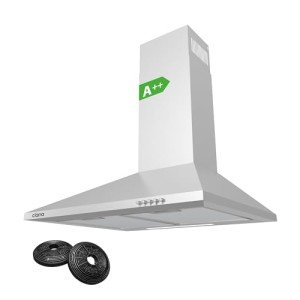
What is a Cooker Extractor Fan?
A cooker extractor fan, likewise understood as a range hood or kitchen hood, is a device installed above the cooking location. It functions to filter and expel unwanted smells, steam, and air-borne grease, thus maintaining excellent air quality in the kitchen. These fans come in different sizes, designs, and performances, catering to different kitchen designs and cooking styles.
Table 1: Types of Cooker Extractor Fans
| Type | Description | Advantages | Downsides |
|---|---|---|---|
| Wall-Mounted | Installed on the wall above the cooking range | Space-efficient, visual appeal | Requires wall area and ducting |
| Island | Hangs above kitchen islands | Elegant, ideal for open designs | More costly, needs ceiling assistance |
| Under-Cabinet | Fits beneath kitchen cabinets | Compact, does not take up extra area | Limited power, might require ducting |
| Downdraft | Pop-up fan incorporated into the cooktop | Minimalistic style, saves area | Less reliable than ducted choices |
| Ceiling-Mounted | Installed in the ceiling, often in larger kitchens | Covers big areas, modern design | Expert setup needed |
The Importance of Cooker Extractor Fans
-
Improved Air Quality: Cooking typically releases harmful toxins and grease particles. An extractor fan assists get rid of these contaminants, ensuring much healthier air in the kitchen.
-
Smell Control: Different foods give off unique smells. An excellent cooker extractor fan effectively lowers remaining smells, making the kitchen an enjoyable area.
-
Wetness Reduction: Steam produced throughout cooking can cause moisture buildup, which may promote mold development. An extractor fan helps control humidity levels in the kitchen.
-
Cleaner Environment: By capturing grease and vapors, extractor fans contribute to a cleaner kitchen environment, reducing the need for frequent cleansing.
Selecting the Right Extractor Fan
Picking an extractor fan includes thinking about different factors, consisting of kitchen size, style, and cooking practices. Here are the bottom lines to remember:
Table 2: Factors to Consider When Choosing an Extractor Fan
| Aspect | Consideration |
|---|---|
| Kitchen Size | Larger kitchens may need more powerful fans |
| Ducted vs. Ductless | Ducted fans vent outdoors; ductless recirculate air with filters |
| Sound Level | Inspect for fan noise scores; quieter designs are preferable |
| CFM Rating | Consider the fan’s airflow performance, typically measured in Cubic Feet per Minute (CFM) |
| Style | Select a design that complements your kitchen decor |
Installation and Maintenance
Proper installation and regular maintenance are essential for optimum efficiency.
Installation Tips
- Follow Manufacturer’s Instructions: Always consult the setup handbook for specific guidelines.
- Employ a Professional: For ducted options, professional installation might be necessary to make sure correct venting.
- Positioning: The fan needs to be installed at the appropriate height above the cooking range, generally 20– 30 inches for electrical and 24– 30 inches for gas stoves.
Upkeep Tips
- Clean Filters Regularly: Most extractor fans included detachable filters that ought to be cleaned up or replaced regularly to ensure effectiveness.
- Examine Fan Blade: Ensure the fan blades are clean to prevent motor stress.
- Inspect Ducts: For ducted models, regular evaluation and cleansing of ducts can prevent clogs and enhance air flow.
Often Asked Questions (FAQ)
-
How typically should I clean my cooker extractor fan?
- It is suggested to clean the fan’s filters every month and to deep tidy the whole unit every 6 months.
-
Do I need to utilize a ducted extractor fan?
- Ducted fans are more effective as they vent air exterior. Nevertheless, if installation is a concern, ductless options with triggered charcoal filters are ideal alternatives.
-
What is the perfect CFM for my kitchen?
- A general rule is that the CFM should be 100 for every 10,000 BTUs of the stove. For typical cooking, a fan with a CFM score of 300-600 is typically appropriate.
-
Are extractor fans loud?
- Noise levels vary. When selecting a fan, look for designs with lower sones (a step of loudness), ideally below 3 for a quieter operation.
-
Can I install an extractor fan myself?
- While some models, like under-cabinet fans, may be easier for DIY installation, ducted models typically require professional help.
Cooker extractor fans play a necessary role in boosting both the functionality and comfort of a kitchen. With different types readily available, understanding their functions, advantages, and maintenance requirements can assist homeowners make notified choices. Whether cooking a simple meal or crafting a premium work of art, a well-ventilated kitchen makes all the difference. Purchasing a suitable extractor fan not only enhances air quality but also contributes to a cleaner, more enjoyable cooking environment.