
Wooden Pallets Marketplace
FollowOverview
-
Founded Date October 24, 1993
-
Sectors Oil & Gas
-
Posted Jobs 0
-
Viewed 19
Company Description
5 Killer Quora Answers On Wooden Shipping Pallets
The Versatile World of Wooden Shipping Pallets
When it pertains to logistics and transport, wooden shipping pallets play an indispensable role. These simple platforms have been the foundation of the shipping market for decades, providing an efficient means to carry goods throughout various sectors. This blog post aims to explore the significance, style, benefits, and cultural impact of wooden shipping pallets while resolving often asked concerns.
What Are Wooden Shipping Pallets?
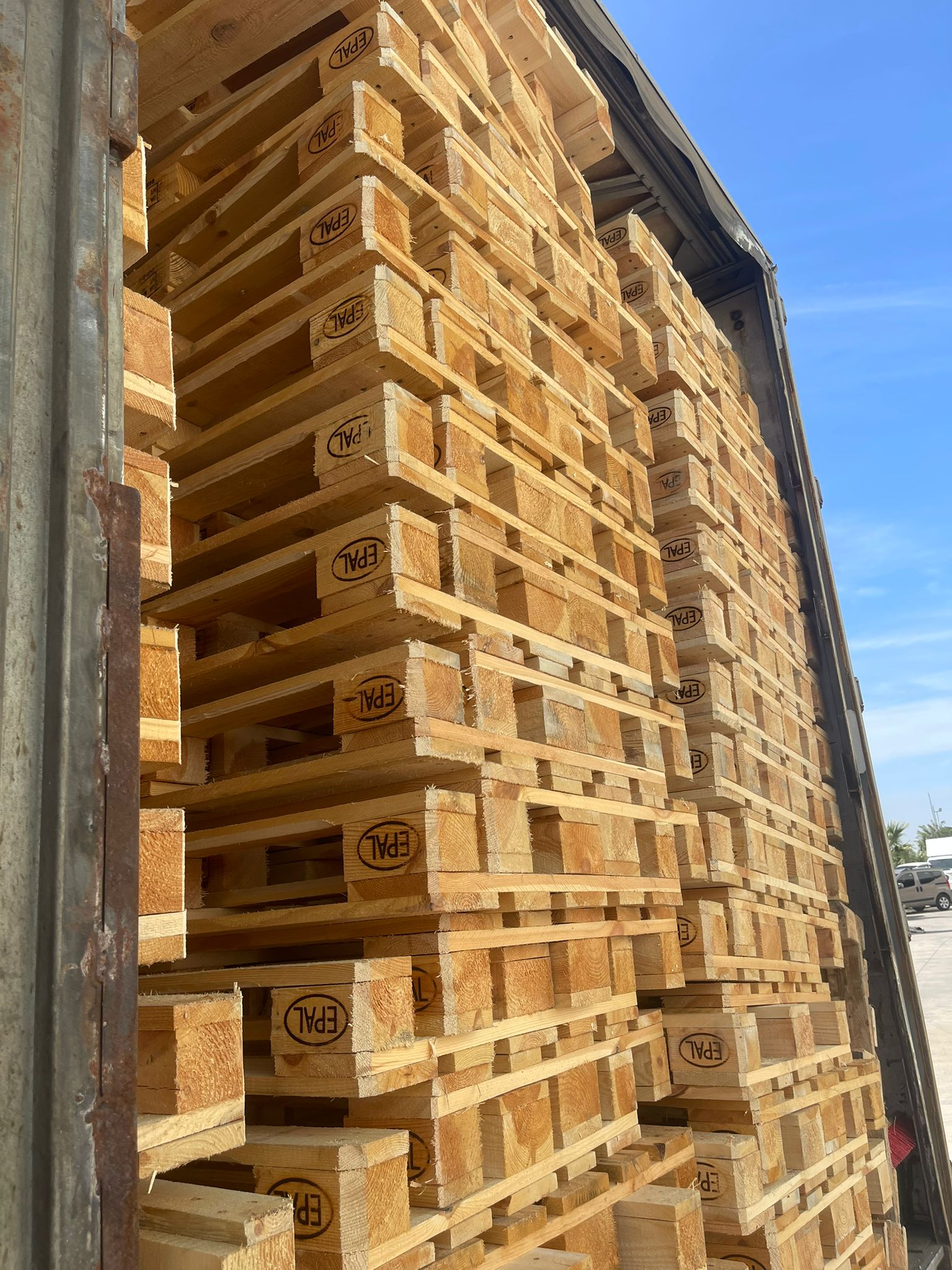
Wooden shipping pallets are flat structures made from wood, mostly used to stack, store, and transport goods. They help with the motion of heavy items effectively through making use of forklifts and pallet jacks. Usually determining 48 inches by 40 inches, the most common size in the United States is called the “GMA pallet.”
Typical Dimensions of Wooden Shipping Pallets
| Dimension | Description |
|---|---|
| 48″ x 40″ | Most typical U.S. size (GMA pallet) |
| 42″ x 42″ | Often used for drink suppliers |
| 48″ x 48″ | Common in the retail sector |
| 36″ x 36″ | Used in culinary and other sectors |
The Importance of Wooden Shipping Pallets
1. Economic Efficiency
Wooden pallets use a cost-effective service for shipping items. They are relatively low-cost to manufacture, readily available, and knock down for easy storage and transport. This effectiveness leads to reduced logistics expenses, benefiting both producers and consumers.
2. Strength and Durability
Wooden Pallets Store pallets boast high load capacities. Depending upon the wood type and style, they can support heavy loads of up to 2,500 pounds. This makes them ideal for lots of markets, including vehicle, retail, and food services.
3. Ecological Benefits
Made mostly from sustainable wood sources, wooden shipping pallets are eco-friendly. They can be reused several times, causing reduced waste and energy usage in shipping operations. Additionally, when they have actually reached completion of their helpful life, they can be recycled into new products or used for bioenergy.
4. Adaptability in Application
From warehousing to retail display screen, wooden pallets serve a range of functions. They can be used for not simply shipping but likewise as structure products or furnishings for DIY tasks. Their flexibility has made wooden pallets integral to multiple markets.
Types of Wooden Shipping Pallets
1. Block Pallets
Block pallets are defined by their block design, which enables simpler motion on all sides. They are robust and perfect for heavy loads.
2. Stringer Pallets
Stringer pallets include 3 parallel boards, or stringers, to support deckboards. They are lighter than block pallets and are typically less costly, making them appropriate for less requiring applications.
3. Double-Face Pallets
These pallets have deckboards on both sides and can be flipped over for included sturdiness. This double-faced design permits higher energy and load circulation.
4. One-Way Pallets
Designed for single-use, one-way pallets are typically more economical and lighter, accommodating shipping needs without the objective of returning them.
| Kind of Pallet | Benefits | Drawbacks |
|---|---|---|
| Block Pallets | Durable, multi-directional gain access to | Heavier and more costly |
| Stringer Pallets | Light-weight, easy to construct | Limited load capacities |
| Double-Face Pallets | Greater utility, well balanced load circulation | More wood use might make them costlier |
| One-Way Pallets | Lower costs, light-weight | Not recyclable, leading to waste |
The Manufacturing Process of Wooden Shipping Pallets
The production of wooden pallets involves a number of key actions:
-
Sourcing Raw Material:
- Timber is sourced from sustainable forests or recovered wood, which is more environmentally friendly.
-
Cutting and Processing:
- Logs are cut into boards, which are then dried and treated to prevent insects and decay.
-
Assembly:
- The pallet is assembled based on the selected style, utilizing nails or screws for stability.
-
Quality assurance:
- Finished pallets go through extensive quality checks to guarantee they fulfill industry standards.
-
Shipping:
- The prepared pallets are stored and delivered to various manufacturers or merchants.
Cultural Impact of Wooden Pallets
Wooden shipping pallets have actually transcended their preliminary energy. They have actually motivated imagination and development, resulting in their use in art setups, functional furnishings, and as stylish home design. Pallet art, where artists change discarded pallets into functional or visual pieces, has acquired traction over the last few years.
FAQs About Wooden Shipping Pallets
1. How long do wooden pallets last?
- The life-span of a wooden pallet can vary considerably based upon usage and environmental elements, but they normally last between 3-10 years if properly kept.
2. Can wooden pallets be recycled?
- Yes, wooden pallets can be recycled. They can be developed into new pallets, mulch, or used in various crafts.
3. Just how much weight can a standard wooden pallet bring?
- A basic wooden pallet can usually bring a load of approximately 2,500 pounds, depending on the style and the type of wood Used Pallets For Sale.
4. Are wooden pallets safe for food and say usage?
- Yes, but it’s crucial to ensure that the pallets are marked as food-grade. These pallets are dealt with to be devoid of damaging chemicals.
5. What are the distinctions between treated and unattended pallets?
- Treated pallets undergo a procedure to remove bugs and fungi, typically utilizing heat or chemicals. Neglected pallets might harbor bugs and may not be appropriate for food application.
Wooden shipping pallets have shown their worth throughout numerous sectors, serving a necessary function in logistics while likewise affecting the environment and culture positively. As international trade continues to grow, comprehending and valuing the versatility and effectiveness of wooden pallets will remain essential for companies across all industries. Whether reused, recycled, or repurposed, wooden pallets will continue to be an essential part of our shipping community.